
Softener, filter or reverse osmosis? For a Saudi business, the right answer depends less on the water than on what the water is going into. A steam oven, an espresso machine, a hotel calorifier and an office dispenser each fail in a different way, and each needs a different kind of protection. This guide is for facilities managers, kitchen operators and project teams who already know their supply carries minerals and now need to decide what to fit, where, and how to keep it working.
If you are still asking whether your city's water is hard in the first place, start with our guide to water hardness in Saudi Arabia, then come back here to choose the equipment.
TL;DR
- Choose treatment by equipment, not by building. One site often needs two or three different technologies.
- Softeners suit hot water plant, boilers and dishwashers. Scale-inhibiting filters suit coffee machines and dispensers. Reverse osmosis suits steam ovens, combination ovens and speciality coffee.
- Saudi supply is blended from desalinated water, groundwater and in places dam water, so hardness differs between sites and over the year. Size the system to your own readings, not a city average.
- In Saudi heat and continuous duty, cartridges and resin often reach capacity early. Change on throughput, not on a calendar date.
- Compare suppliers on total cost of ownership: equipment, consumables, servicing, energy and downtime.
Start With the Equipment, Not the Building
Most treatment mistakes in the Kingdom come from treating a building as one problem. A Riyadh hotel can have a central hot water plant, a banqueting kitchen with combination ovens, a lobby café and staff pantries with dispensers. Putting one large softener at the incoming main and calling the job done leaves the coffee machines with water that is too soft for good extraction and the steam ovens still exposed to dissolved solids that a softener does not remove.
A better approach is to list every piece of equipment that heats, sprays or dispenses water, note what the manufacturer asks for on its water specification, and group them by need. That list usually falls into three groups:
- Bulk hot water and washing: calorifiers, boilers, water heaters, dishwashers and glass washers.
- Beverage equipment: espresso and bean-to-cup machines, hot water boilers, dispensers and ice machines.
- Steam and precision cooking: combination ovens, steamers and some speciality coffee set-ups.
Each group points to a different technology, set out below.
Group 1: Hot Water Plant and Warewashing — Water Softeners
A water softener swaps calcium and magnesium for sodium using an ion-exchange resin. The water that leaves it no longer forms hard scale when heated, which protects heat exchangers, heating elements and dishwasher spray arms.
When it is the right call
- Large volumes of hot water: hotels, hospitals, labour accommodation, gyms and leisure sites.
- Commercial dishwashers and glass washers, where scale leaves spotting and cuts wash performance.
- Any plant where the cost of descaling or replacing a heat exchanger is high.
What to check before you buy
- Peak flow, not just daily volume. An undersized softener lets hard water through at the busiest hour.
- Regeneration method and salt use. Meter-controlled regeneration uses salt in line with real demand.
- Space for the resin vessel, the brine tank and safe salt deliveries.
What it does not do: a softener does not reduce total dissolved solids, chlorine taste or sediment, and softened water is not the right feed for espresso machines, which need some hardness for flavour and to avoid corrosion.
Group 2: Beverage Equipment — Scale-Inhibiting Filtration
Coffee machines, hot water boilers and dispensers are usually protected at the point of use with a filter cartridge that reduces carbonate hardness or adds a scale inhibitor, along with carbon to take out chlorine taste and odour. The aim is balanced water: soft enough to keep the boiler clean, but with enough mineral left for taste and to protect metal parts.
When it is the right call
- Espresso and bean-to-cup machines in cafés, hotels and offices.
- Water dispensers, boiling-water taps and tea points.
- Ice machines, which need a dedicated ice machine filter with scale inhibition.
What to check before you buy
- The bypass setting. Most beverage cartridges let you blend a share of unfiltered water to hit the target hardness. It should be set from your own readings.
- Rated capacity in litres at your hardness, not the headline figure. A cartridge rated for moderate hardness empties much sooner on harder Saudi supply.
- Whether the machine maker specifies a particular cartridge type to keep its warranty valid.
Group 3: Steam and Precision Cooking — Reverse Osmosis
Reverse osmosis (RO) pushes water through a membrane that removes most dissolved solids, not only hardness. That matters for combination ovens and steamers, where water is turned to steam and every dissolved mineral is left behind inside the cavity or steam generator.
When it is the right call
- Combination ovens and steamers in hotel, hospital and central production kitchens.
- Speciality coffee where the operator wants a fixed, repeatable recipe.
- Sites where total dissolved solids, not only hardness, are the problem.
What to check before you buy
- Remineralisation or blending. Pure RO water is aggressive to metals and tastes flat, so most commercial RO feeds equipment through a remineralising stage or a blend valve.
- Reject water. RO sends part of the feed to drain. Plan the drain point, and ask how much water the unit rejects at your pressure.
- Storage and pressure. RO units produce slowly, so a tank or a booster may be needed for peak demand.
Matching Technology to Equipment at a Glance
| Equipment | Usual treatment | Why |
|---|---|---|
| Calorifiers, boilers, water heaters | Water softener | Stops hard scale on heat exchangers across large volumes |
| Dishwashers and glass washers | Water softener | Prevents spotting and scale on spray arms and elements |
| Espresso and bean-to-cup machines | Scale-inhibiting or hardness-reducing filter | Protects the boiler while keeping mineral for flavour |
| Dispensers and boiling-water taps | Scale-inhibiting filter with carbon | Protects the heater and improves taste |
| Ice machines | Dedicated ice machine filter with scale inhibitor | Protects the evaporator and keeps ice clear |
| Combination ovens and steamers | Reverse osmosis with remineralisation or blend | Removes the dissolved solids left behind by steam |
| Speciality coffee | Reverse osmosis with set remineralisation | Gives a fixed, repeatable water recipe |
Why Saudi Sites Need Their Own Numbers
Under the US Geological Survey classification, water at 121 to 180 mg/L as calcium carbonate is hard, and above 180 mg/L is very hard. Saudi supply does not sit at one fixed point on that scale. Much of it is desalinated seawater, which is low in hardness on its own, but groundwater and dam water are blended in some areas. A 2024 study of SWCC data found most desalination plants still work to an older guideline with a minimum calcium hardness of 30 ppm, while the three SWCC dams and the groundwater feeder into Riyadh reached 197 to 281 ppm. MEWA sets a maximum of 300 ppm for drinking water.
For specification, that spread means two things. First, a city average is not a design figure: two buildings in the same district can sit at very different points. Second, the reading can move over the year as blending changes, so a system should have some headroom. Readings taken at your own incoming supply, and at the point where each piece of equipment draws water, are what a correct specification is built on.
Sizing and Servicing in Saudi Conditions
Heat and long operating hours change how treatment equipment behaves. Equipment in kitchens and plant rooms often works through the hottest months with little downtime, and cartridges and resin see more water than the same kit in a cooler market.
- Change on throughput. Use the rated capacity at your measured hardness to work out litres between changes, then compare that with real usage. On busy Saudi sites that point often comes before the maker's annual interval.
- Keep softeners supplied. A softener without salt stops softening without warning. Agree who checks the brine tank and how often.
- Log what you change. Cartridge dates, softener checks and RO membrane changes belong in the same file as your food-safety records. Inspectors and insurers look for evidence that water treatment is managed, not assumed.
- Plan around peaks. Ramadan evenings, Hajj and Umrah seasons in Makkah and Madinah, summer tourism and event days all push demand up. Service before the peak, not during it.
How to Compare Supplier Quotes
Two quotes for the "same" system can differ widely once the full cost is laid out. Ask each supplier to show:
- Equipment, itemised by location and by piece of equipment it protects.
- Consumables: cartridges, salt and membranes, with the change interval they have assumed and the hardness they based it on.
- Servicing: what each visit covers, how often, and the response time if something fails.
- Energy and water: RO reject water, softener regeneration water and the energy saved by keeping elements clean.
- What happens at handover: who on your team is trained, and what records you receive.
A quote that only lists the box is not comparable with one that includes five years of consumables and servicing.
How Sovereign Water Can Help
Sovereign Water specifies, installs and maintains commercial water treatment for hotels, hospitals, restaurant groups, offices and facilities management companies across the Kingdom. Every project starts with a chargeable site survey, where we list the equipment on site, record the water conditions at the points that matter and agree your busiest periods with you. From that we specify the right mix of softening, filtration and reverse osmosis, fit it, and keep it serviced under our Comprehensive Maintenance programme.
Frequently Asked Questions
Can one water softener protect a whole commercial building?
It can protect the hot water plant and warewashing, but not everything. Coffee machines need some hardness for flavour, and steam ovens need dissolved solids removed, which a softener does not do. Most buildings need a softener plus point-of-use treatment.
Is softened water suitable for espresso machines?
Usually not on its own. Fully softened water can give flat-tasting coffee and can be corrosive to some machine parts. Beverage equipment is normally fed through a dedicated cartridge set to a target hardness.
When is reverse osmosis worth the extra cost?
When dissolved solids, not only hardness, cause the problem, such as in combination ovens, steamers and speciality coffee. RO needs a drain, some storage and remineralisation, so it is normally fitted to the equipment that needs it rather than the whole building.
How often should cartridges be changed in Saudi Arabia?
At rated capacity for your measured hardness, or when flow drops, and at least as often as the maker requires. On busy Saudi sites that is often sooner than a yearly change.
Does hard water in Saudi Arabia affect health?
Hardness at the levels allowed in Saudi drinking water is not treated as a health risk. The costs fall on equipment, energy and drink quality.
Choose the Right Treatment for Your Site
Send us your site location, the equipment you run and your busiest periods. We will come back with a treatment plan by equipment, a whole-life cost and a service plan to match.
Sources
- Al-Hamzah and Fellows, Drinking Water Quality in the Kingdom of Saudi Arabia, Water 2024, 16, 1810
- US Geological Survey, Hardness of Water
Products mentioned in this article
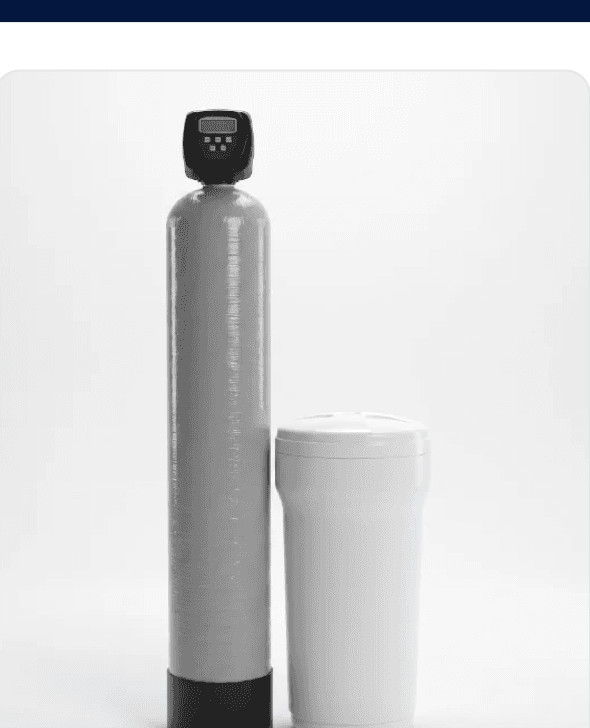
A high-capacity, professional-grade water softener for demanding residential, commercial and light-industrial use…
View product →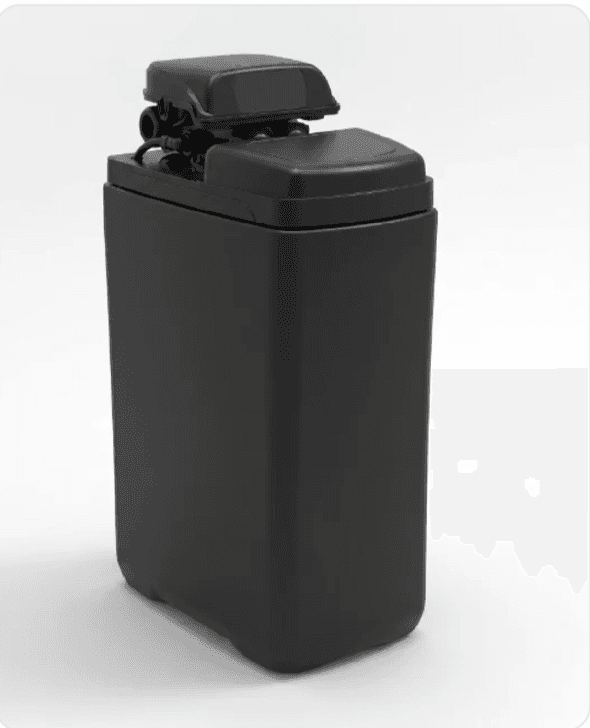
An ultra-compact cabinet water softener built around the reliable US-made Clack DV valve: high flow and softening…
View product →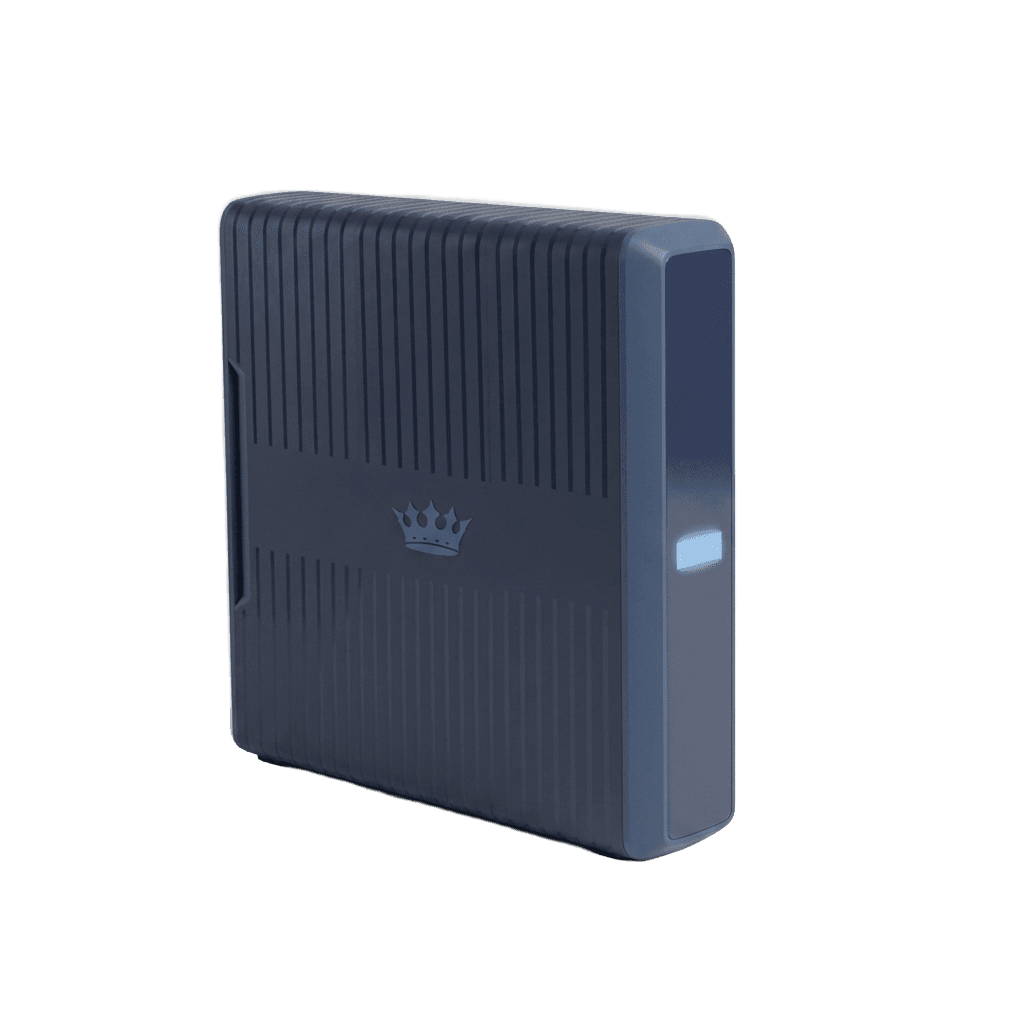
High-performance, compact undersink reverse osmosis: up to 120 litres per hour of high-quality filtered water…
View product →