
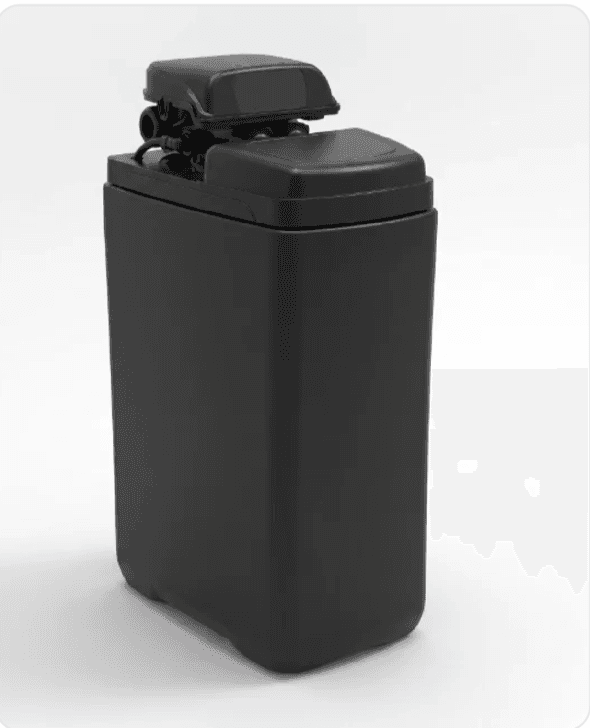
Water hardness can affect the reliability, service requirements and specification of water-using equipment in Saudi commercial facilities. The right response is not to assume that every site needs the same treatment. Water conditions can vary by supply, location, building and application, so the useful starting point is a site-specific water assessment.
Does Saudi Arabia have hard water? Some Saudi sites can have water-hardness issues, but conditions vary by supply, location, building and application. A current test at the relevant point of use is the reliable starting point for deciding whether softening, filtration, reverse osmosis or another treatment route is suitable.
Last updated: August 2026. This guide is for facilities managers, hospitality operators, foodservice teams and commercial fit-out partners who need to understand what water hardness means for their site and how to choose a fit-for-purpose treatment approach. Final treatment selection should be based on current site evidence and the equipment manufacturer’s requirements.
TL;DR
- Hardness should be assessed at the point of use, not assumed from a city or region alone.
- The treatment route depends on the equipment, water analysis, operating conditions and manufacturer requirements.
- Water softening, filtration and reverse osmosis serve different purposes and may be used separately or together.
- A good specification considers installation, servicing and ongoing monitoring from the outset.
In this article
- What water hardness means for a commercial site
- Where hard water can affect operations
- How to recognise and test a hardness problem
- Choosing a treatment route
- Planning installation and servicing
- A site-assessment checklist
- Sources and technical notes
- Talk to Sovereign Water
What water hardness means for a commercial site
Water hardness is commonly associated with dissolved calcium and magnesium. In a commercial environment, the practical question is not simply whether water is described as hard. It is whether mineral content, water temperature and the way equipment uses water are creating a scale risk or affecting the desired output.
A facilities team should avoid making a treatment decision from a regional generalisation alone. Incoming supply, building storage, treatment already in place and the equipment being protected can all change the right approach. A current water analysis gives a more useful basis for specification than an assumed hardness figure.
Hardness is also only one part of water quality. A site may need to consider suspended particles, taste, odour, dissolved solids, microbial control and the requirements of individual equipment. Softening is aimed at hardness management. It does not automatically solve every other water-quality issue.
For a wider view of water-treatment requirements across offices, hospitality and foodservice, see Sovereign Water’s commercial solutions.
Where hard water can affect operations
Heating, hot-water and steam equipment
Equipment that heats water can be sensitive to scale because mineral deposits can accumulate on internal surfaces over time. The consequences vary by equipment type and operating conditions, but the operational concerns are often reliability, maintenance access and consistency of performance.
Before selecting treatment, confirm the equipment manufacturer’s water requirements and the site’s current water analysis. This is particularly important for boilers, hot-water systems and equipment with a high duty cycle.
Coffee, ice and foodservice equipment
Coffee machines, ice makers, dishwashers and combi equipment each have their own water-quality requirements. A system designed for one application should not be assumed suitable for another. For example, a hospitality site may need a treatment plan that considers equipment protection, water taste, service access and the way multiple machines use the same supply.
The correct answer may be different for the kitchen, the staff drinking-water point and a process-water application. Treat each use according to its actual demand and manufacturer guidance.
Commercial drinking-water systems
Drinking-water taps and dispensers need treatment suited to the incoming water and the system selected. The aim is a reliable, maintainable setup that fits the intended water types, site usage and product requirements.
Where a system includes chilled, hot or sparkling functions, installation space and service access need to be considered alongside water quality. A neat visible finish is useful, but it should not make routine filter changes or maintenance difficult.
How to recognise and test a hardness problem
Possible signs of a scale-related problem include deposits around taps, reduced heat-transfer performance, frequent cleaning requirements, blocked aerators or inconsistent operation in water-using equipment. These signs are useful prompts for investigation, but they do not identify the treatment required on their own.
A basic test can indicate the water condition, but a commercial specification should use current information from the relevant point of use. Water from a storage tank, a different floor or a separate supply route may not represent the conditions at the equipment being protected.
A useful assessment should record:
- where the sample was taken and when
- the equipment connected to that supply
- the water temperature and operating pattern
- any existing filters, softeners or membranes
- recent maintenance history and recurring faults
- the manufacturer’s water-quality requirements
The purpose of testing is not to produce a number in isolation. It is to connect the water condition to the equipment, demand and operating consequences at that site.
Choosing a treatment route
| Treatment route | When it may be considered | What must be checked first |
|---|---|---|
| Water softening | Where hardness management and scale prevention are the main requirement | Water analysis, equipment requirements, flow and regeneration/service arrangements |
| Filtration | Where a specific filtration approach is needed for an application or equipment type | Intended use, selected media, cartridge capacity and maintenance plan |
| Reverse osmosis | Where a broader reduction in dissolved material is required | Water analysis, demand, recovery, storage and downstream equipment requirements |
The correct route may include more than one treatment stage. The point is not to prescribe a product before the site is understood. It is to match the treatment system to the water, application and operating conditions.
Water softening for hardness management
A commercial water softener can be considered where site analysis and equipment requirements show that hardness management is needed. The final system needs to match the required flow, expected demand, available space and servicing arrangement.
Filtration for targeted applications
Filtration may be appropriate where an application needs a defined treatment stage before water reaches equipment. The selected filtration media and cartridge arrangement should be based on the actual equipment, incoming water and service requirements, rather than a generic rule.
Reverse osmosis where broader treatment is required
Reverse osmosis may be considered where a site needs a broader reduction in dissolved material for a particular process or water-use application. It should be specified around a current analysis, demand profile, installation conditions and the requirements of the equipment it supports.
Planning installation and servicing
Treatment should be planned as part of the facility, not added after the equipment layout is already fixed. Confirm the route for incoming water, waste or drainage where required, electrical supply, ventilation, access panels and the space needed for filter or media changes.
The operating team should also know who is responsible for routine checks and how service visits will be arranged. A treatment system that cannot be accessed safely or maintained at the required interval is not a complete specification.
A planned maintenance programme should be considered alongside the equipment selection. Filters, membranes, softening media and servicing need to be practical for the site after installation, not only suitable on a drawing.
A site-assessment checklist
Before selecting or refreshing a treatment system, gather:
- a current water analysis from the relevant point of use
- the equipment list, model details and manufacturer water requirements
- daily demand and peak-use periods
- available water, power, drainage and installation space
- current treatment equipment and maintenance history
- service-access constraints and the person responsible for routine checks
- operational priorities, such as equipment protection, drinking-water quality, hospitality output or process water
- photographs or drawings showing the proposed installation area
This information makes the initial discussion more useful and helps identify whether one system or multiple treatment stages are appropriate. It also gives the facilities team a baseline against which future service results can be reviewed.
Sources and technical notes
For current Saudi water-sector and standards context, consult the relevant official bodies and confirm requirements that apply to the individual site:
For product-specific information, use the current manufacturer documentation and the final selected product’s installation and service requirements. Do not rely on a general article for a final technical specification.
Talk to Sovereign Water about your KSA site
Tell us about your site, water analysis, equipment and operating requirements. Sovereign Water can discuss a treatment route that fits the application and the practical constraints of the facility.
Products mentioned in this article
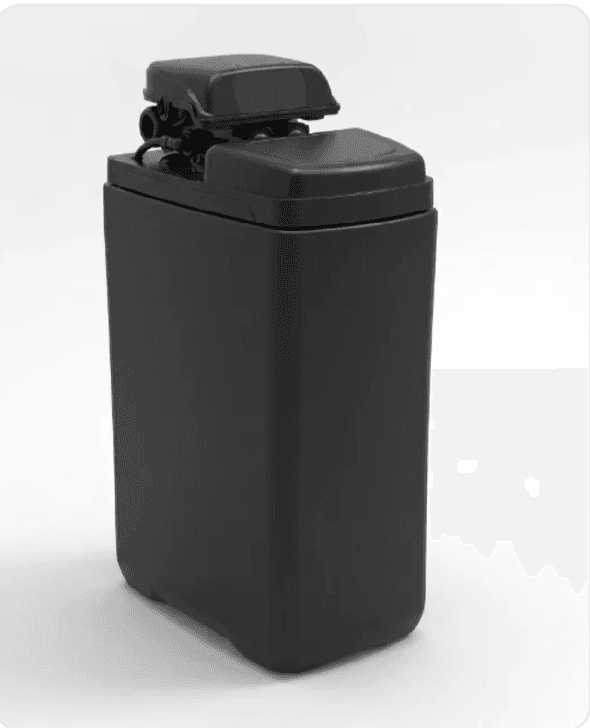
Compact, efficient softening for larger homes and small commercial sites: up to 3 m3 per hour with up-flow…
View product →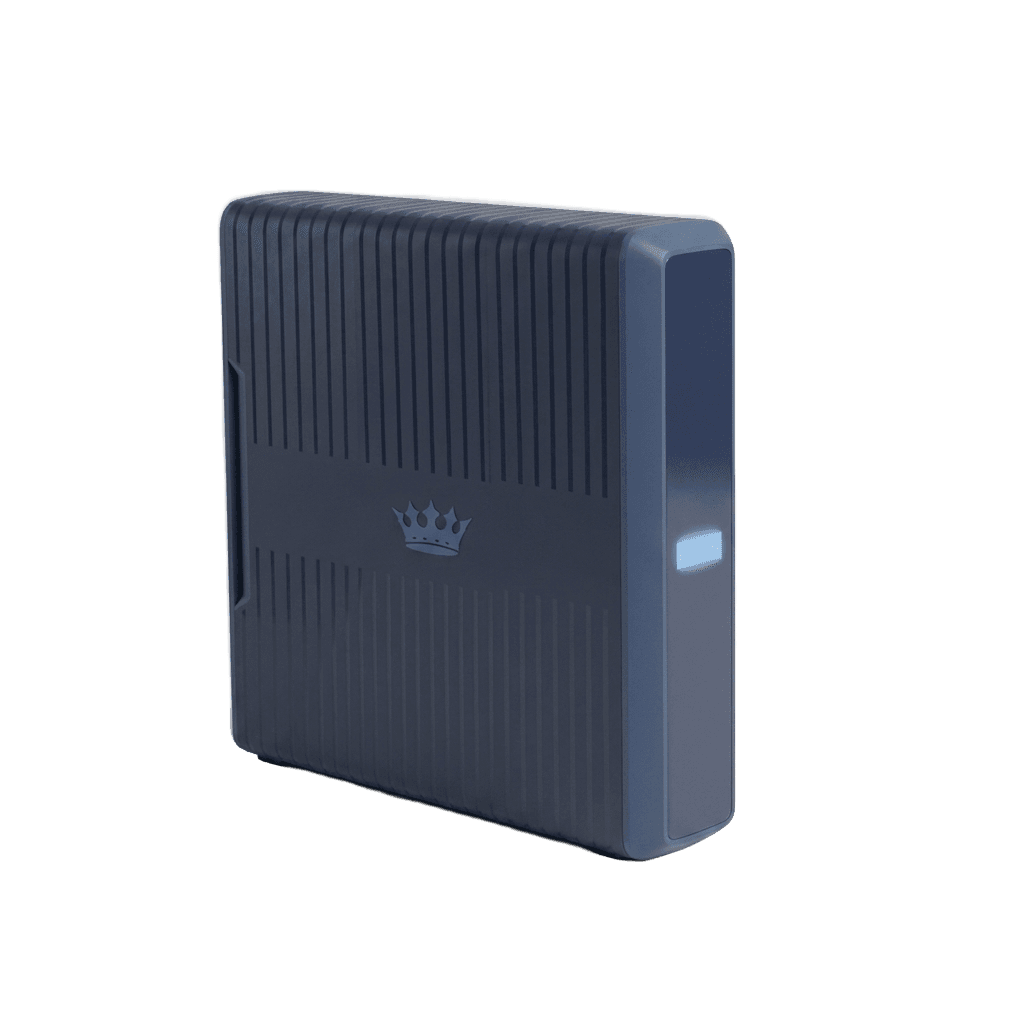
High-performance, compact undersink reverse osmosis: up to 120 litres per hour of high-quality filtered water…
View product →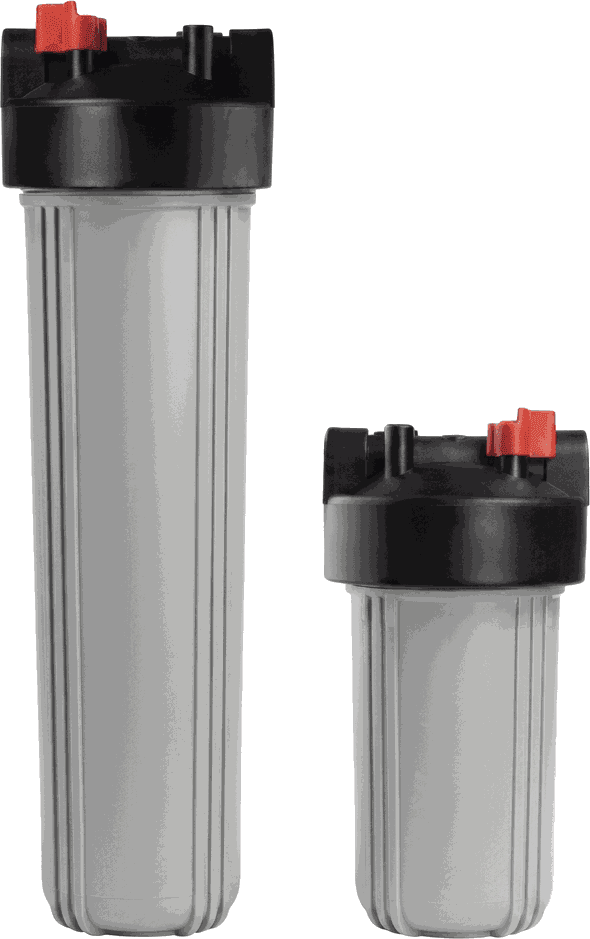
Whole-site filter housings for domestic and commercial applications: the Big Grey range takes 4.5 x 20 inch and 4.5 x…
View product →