
Commercial water softeners in Saudi Arabia should be specified from representative inlet testing, measured demand and the building's storage and distribution route. Hotels, restaurants and healthcare facilities may all receive municipal water, yet present different conditions after site tanks, pumps and pipework. Desalinated supply does not have one fixed hardness at every property.
TL;DR
- Test water at the actual softener inlet, normally downstream of the site tank and booster pumps, because source, storage and internal distribution can change what reaches the equipment.
- Size for both exchange duty and hydraulic duty: measured hardness, treated volume, short peak flow, sustained flow, dynamic pressure and acceptable pressure loss all matter.
- Decide whether a regeneration window is acceptable. Use alternating twin duty where continuous softened water is a genuine operational requirement.
- Plan the complete installation, including foul drainage, brine-tank overflow, backflow separation, salt access, ventilation, service clearance and local project approvals.
- Assess sodium and the intended use of every outlet before routing softened water to drinking, cooking, beverage or clinical points.
Contents
- What softening changes, and what it does not
- Saudi commercial applications
- Test at the actual inlet
- Specification inputs that matter
- Worked hardness-load and sizing logic
- Single vessel or alternating twin duty
- Installation, drainage and Saudi approval context
- Drinking water and sodium
- Commercial product profiles
- Commissioning and handover
- Maintenance in hot operating conditions
- Procurement list
- Application-led comparison
- Frequently asked questions
- Talk to Sovereign Water Saudi Arabia
- Sources
What softening changes, and what it does not
Hardness is mainly caused by dissolved calcium and magnesium. A sodium-cycle ion-exchange softener passes water through resin that exchanges those hardness ions for sodium. When the resin approaches its usable capacity, the control valve regenerates it with brine and sends the regeneration discharge to drain. Reducing hardness can help control scale in hot-water services, calorifiers, boilers, dishwashers, steam equipment and other scale-sensitive assets.
Softening is not general purification. It does not prove microbiological safety or correct every issue involving sediment, taste, odour or corrosion. TDS is not hardness and cannot replace a hardness test. Define the equipment or branch being protected, required outlet hardness and risks needing other treatment. A kitchen, laundry, hot-water or plant branch may be more appropriate than whole-building treatment. See the Saudi commercial water-treatment overview.
Saudi commercial applications
Riyadh facilities must account for intense summer conditions and practical plant access. Jeddah hospitality and foodservice sites may have long operating hours and peaks around guest changeovers, banqueting, dishwashing or laundry. City names do not determine hardness or size.
Applications include hotels, restaurants, offices, hospitals, laundries, mixed-use facilities, estates and large villas. Treatment is most relevant where measured hardness threatens a scale-sensitive service or conflicts with an appliance limit. Separate guest-room, kitchen, laundry and central hot-water loads, then identify drinking, beverage and clinical outlets. Review commercial applications, records and equipment requirements rather than visible deposits alone.
Test at the actual inlet
“Desalinated” does not establish chemistry at a building inlet. Water may pass through blending, municipal distribution, tanks, pumps and pipework first. Sample at the proposed inlet, normally downstream of the site tank and pumps. Record the date, operating state and point; test each credible source or blend.
Analyse total hardness as mg/L CaCO3, sodium, TDS or conductivity, pH, residual chlorine, turbidity or sediment, and iron and manganese where indicated. Record temperature and identify raw- and treated-water sampling points. TDS does not reveal the calcium and magnesium load. Tank inspection, cleaning and hygiene remain separate duties.
Specification inputs that matter
Water demand. Use meter data for typical, busy-day and maximum 24-hour consumption, operating hours and occupancy variation. Room or cover counts are only estimates.
Flow pattern. Identify the highest short simultaneous flow and sustained demand. Adequate daily capacity does not prevent excessive restriction at peak flow.
Pressure. Measure static and dynamic pressure, including the minimum during demand. Check pressure loss at design flow, not connection size alone.
Exchange duty. Obtain usable capacity at the proposed salt dose and settings. Define outlet hardness, reserve, regeneration trigger and any blending.
Continuity. State whether interruption or hard-water bypass is acceptable during regeneration and record the operational consequence.
Site interfaces. Confirm pipe size, power, drainage, floor loading, ventilation, ambient conditions, footprint and headroom. Plan safe salt delivery and service clearance.
Worked hardness-load and sizing logic
This example illustrates the method and is not a final equipment selection. Assume a Riyadh hotel branch uses 14 m³ of softened water on a busy day and representative inlet hardness is 240 mg/L as CaCO3.
14 m³/day × 240 g/m³ = 3,360 g CaCO3/day
The exchange load is therefore 3,360 grams of CaCO3 per busy day. Divide the supplier's documented usable capacity at the selected salt dose by 3,360 g/day to estimate theoretical run days. Then apply the controller settings and reserve needed for the site's demand uncertainty. Do not infer usable capacity from cabinet dimensions, vessel diameter or resin litres alone.
Test hydraulic duty separately. If the short peak is 4.0 m³/h and 2.4 m³/h is sustained, verify both at minimum dynamic pressure. A headline maximum is insufficient if downstream pressure is inadequate.
Confirm regeneration trigger, duration, drain flow, water and salt demand, and service during the cycle. Check typical and maximum demand. The supplier should document the final selection against actual inlet results.
Single vessel or alternating twin duty
A single-vessel softener can suit a bounded commercial load with a reliable low-demand period for regeneration. During regeneration that vessel cannot normally provide softened water, so the design must define whether service stops or hard water passes through a controlled bypass. This may be acceptable for a restaurant that closes overnight, but not for every hotel or healthcare application.
An alternating twin arrangement keeps one vessel in service while the other regenerates or waits. It supports continuity but adds space, drainage, controls and maintenance. Define alternation, power-loss behaviour, isolation and peak response.
The Regal Twin 3672 is a continuity example for hotels, resorts, hospitals and other 24-hour commercial sites. Need follows from demand, regeneration timing and the consequence of hard or interrupted water.
Installation, drainage and Saudi approval context
SBC 701-CR-2024 is the relevant plumbing framework for water supply, potable-water protection, drainage, inspections and treatment units. No Saudi softener-specific rule was found in the official sources reviewed. No national sizing formula, regeneration setting or blanket permission for brine discharge was identified. This is not legal advice and does not exclude local, sewer, utility or project requirements.
Confirm the adopted code edition and Authority Having Jurisdiction requirements. Obtain acceptance for regeneration discharge from the relevant sewer authority or project team. Do not route brine to stormwater, ground or an unapproved drain.
Provide isolation, controlled bypass and sampling points. Size the regeneration drain for peak flow with the required air break or backflow separation. Route brine-tank overflow independently to a visible safe point or approved drainage. Coordinate foul drainage, leak containment and backflow protection.
Saudi summer maximums commonly reach 35 to 45°C. Use sheltered, ventilated placement and temperature-suitable components. Avoid solar gain, dust, impact and restricted access. Product suitability does not replace complete installation review, testing and approval.
Drinking water and sodium
Sodium-cycle softening replaces calcium and magnesium with sodium. Test raw sodium and calculate the expected contribution before supplying drinking, cooking, beverage or clinical outlets. Verify the commissioned result.
Saudi Water Authority material lists 200 mg/L for sodium in unbottled drinking water. A project can retain selected outlets unsoftened, assess downstream drinking-water treatment or demonstrate suitability for the intended use. Softened water is not unsafe by default, but sodium cannot be ignored.
Map relevant outlets, mark the treatment boundary, label branches and sample them during commissioning.
Commercial product profiles
These examples are not a ranking. Selection depends on analysis, capacity, flow, pressure and regeneration.
Regal 250
The Regal 250 is a compact option for smaller commercial duties. Published information includes up-flow proportional regeneration and flow up to 3 m³/h. Confirm capacity, pressure loss, salt setting and cycle timing.
Regal 500
The Regal 500 can suit laundries, hotels or larger hospitality branches. Published information includes a 10 x 54-inch vessel, 125-litre brine tank and 6.12 m³/h service flow at a 1 bar drop. Check this against minimum dynamic pressure.
Regal 750
The Regal 750 suits hospitality, healthcare and estate applications. Published details include 75 litres of resin, a 125-litre brine tank, 3.5 m³/h operating flow and 4.3 m³/h peak. Verify capacity and regeneration timing.
Commercial Softener RF1465SO1
The Commercial Softener RF1465SO1 uses a 14 x 65-inch vessel, one-inch valve and overflow-protected 146-litre brine tank. It supports delayed, immediate and volume-based regeneration. Confirm media, capacity, drain duty and programme.
Commissioning and handover
Commission against the approved design. Record raw and treated hardness, relevant sodium, pressure, flow, pressure loss, meter response, salt dose, reserve and valve programme. Test bypass, isolation, brine draw and refill, overflow, leaks, alarms, drain performance and rinse endpoint. Witness regeneration where practicable.
Handover should include analysis, sizing basis, schematic, approvals, settings, results, manuals and maintenance plan. Train operators in salt replenishment, alarms, sampling and bridging. Label sampling points, bypass and drinking-water branches.
Maintenance in hot operating conditions
Check salt, bridging, brine valve, injector, overflow, leaks, bypass, outlet hardness and regeneration history. Inspect the valve, meter, brine assembly, drain, resin and settings. Keep the plant area ventilated and access clear.
Trend inlet and outlet results. Re-test after source changes, tank work, unexplained scale, abnormal salt use or demand changes. Coordinate monitoring with tank inspection while keeping the controls separate.
Procurement list
- Representative inlet analysis with sampling location, date and operating condition
- Required outlet hardness and clearly defined treatment boundary
- Typical, busy-day and maximum daily treated volume
- Highest short peak and sustained flow
- Minimum dynamic and maximum static inlet pressure
- Pressure loss at each design flow
- Usable exchange capacity at the stated salt dose and settings
- Reserve, regeneration trigger, duration, water use and salt use
- Service available during regeneration and approved bypass philosophy
- Vessel, valve, resin, brine-tank and controller specification
- Footprint, loaded weight, headroom, ventilation and service clearances
- Safe route and working method for salt delivery
- Isolation, bypass, raw and treated sampling points and branch labels
- Peak regeneration drain flow, air break, foul drain and overflow route
- Electrical supply, alarms, leak management and backflow protection
- Drinking, cooking, beverage and clinical outlet assessment
- Current Saudi code, sewer, local authority and project approvals
- Commissioning records, operator training, manuals and maintenance plan
Application-led comparison
| Application | Likely starting configuration | Demand evidence to collect | Continuity question | Main Saudi site check |
|---|---|---|---|---|
| Restaurant or café | Compact single vessel, subject to load | Dishwashing cycles, covers, peak kitchen flow | Can regeneration occur after service? | Drain access, heat, salt route and beverage branches |
| Riyadh office or mixed-use facility | Zoned single or larger commercial unit | Occupancy, central hot-water load and tenant peaks | Is hard-water bypass acceptable overnight? | Tank and booster-pump sampling point |
| Jeddah hotel or resort | Larger single or alternating twin duty | Rooms, laundry, kitchens, banqueting and hourly peaks | Must soft water continue through every cycle? | Pressure at peak demand and ventilated plant space |
| Hospital or 24-hour facility | Alternating twin where risk assessment requires | Critical branches, sustained load and contingency plan | What is the effect of interrupted or hard water? | Clinical outlets, approvals and controlled bypass |
| Commercial laundry | Capacity-led single or twin arrangement | Batch schedule, washer fill rate and daily volume | Is there a reliable regeneration window? | Sustained flow, drain duty and salt handling |
| Estate or large villa compound | Branch-specific commercial unit | Irrigation separation, occupancy and hot-water demand | Which services genuinely require softening? | Storage tanks, branch mapping and drinking outlets |
Frequently asked questions
1. Is desalinated municipal water automatically soft?
No. Desalination removes salts and minerals at production, but source blending, storage and distribution mean the condition at a building can differ. Test hardness at the proposed softener inlet instead of specifying from the supply label.
2. Can a hotel softener be sized from room count?
Room count can inform an early estimate, but it misses occupancy, laundry, kitchens, banqueting and simultaneous demand. Use measured volume, peak and sustained flow, hardness, pressure and operating hours for selection.
3. Is TDS a substitute for a hardness result?
No. TDS describes dissolved material collectively, while hardness measures mainly calcium and magnesium. A conductivity or TDS reading cannot calculate the resin's hardness-removal load.
4. When is alternating twin duty appropriate?
Consider it when softened water must remain available during regeneration and no reliable low-demand window exists. Document the operational consequence of interruption or hard-water bypass before deciding.
5. Can softened water go to drinking and cooking outlets?
It may be possible after a site-specific assessment, but sodium-cycle softening adds sodium. Test incoming sodium, calculate expected treated sodium, consider the intended users and verify the commissioned result. Retaining selected outlets unsoftened is one practical option.
6. Where should regeneration discharge go?
It should go to an approved foul-drainage arrangement designed for peak regeneration flow, with appropriate air-break or backflow separation. Obtain project and relevant authority acceptance. Never assume stormwater or ground discharge is acceptable.
7. What should be checked at commissioning?
Check raw and treated hardness, relevant sodium, dynamic pressure, flow, pressure loss, meter response, settings, bypass, isolation, brine operation, overflow, leaks, alarms and complete regeneration discharge. Record and hand over the results.
8. How often should the inlet water be re-tested?
Set a risk-based schedule and re-test after source changes, tank work, abnormal salt use, unexplained scale or major demand changes. Variable or blended supplies and buildings with tanks may justify more frequent monitoring.
Talk to Sovereign Water Saudi Arabia
A useful enquiry includes the inlet analysis, daily volume, short and sustained flow, pressure readings, operating hours, regeneration window and continuity requirement. Contact Sovereign Water Saudi Arabia to discuss a site-specific commercial specification.
Sources
- Saudi Ministry of Environment, Water and Agriculture, The Kingdom's Climate
- Saudi Water Authority, Unbottled Drinking Water Quality Standards in the KSA
- Saudi Building Code, SBC 701-CR-2024 table of contents
- US Environmental Protection Agency, Cation Exchange Water Softeners
- Health Canada, Drinking Water Sodium
- Sovereign Water Saudi Arabia, Regal 250
- Sovereign Water Saudi Arabia, Regal 500
- Sovereign Water Saudi Arabia, Regal 750
- Sovereign Water Saudi Arabia, Commercial Softener RF1465SO1
- Sovereign Water Saudi Arabia, Regal Twin 3672
- Sovereign Water Saudi Arabia, Commercial water treatment
Products mentioned in this article
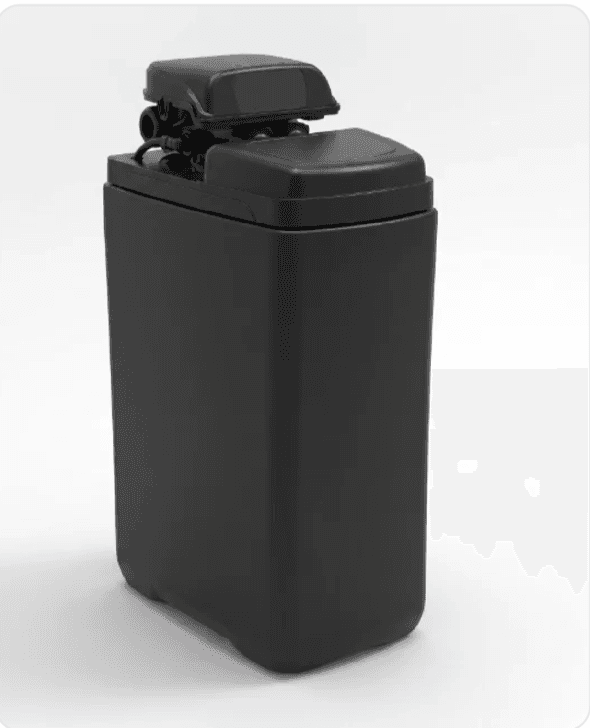
Compact, efficient softening for larger homes and small commercial sites: up to 3 m3 per hour with up-flow…
View product →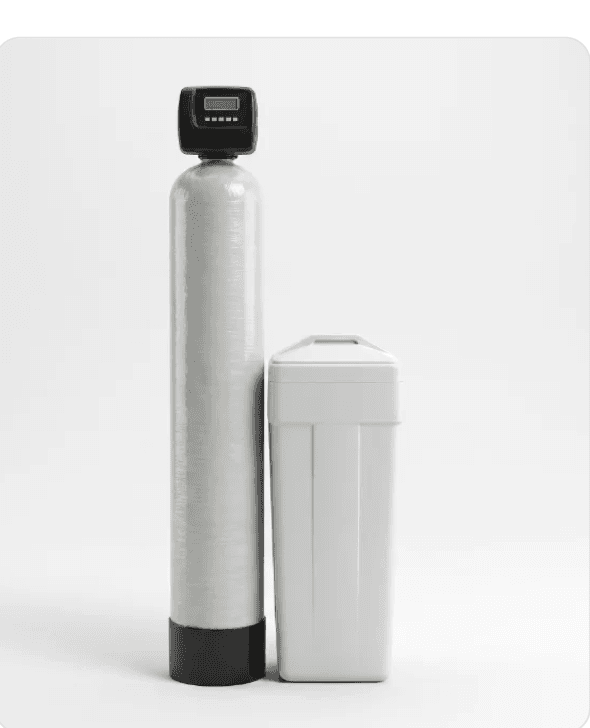
A high-capacity, floor-standing water softener built around a 10x54 pressure tank and a CE 1 inch control valve…
View product →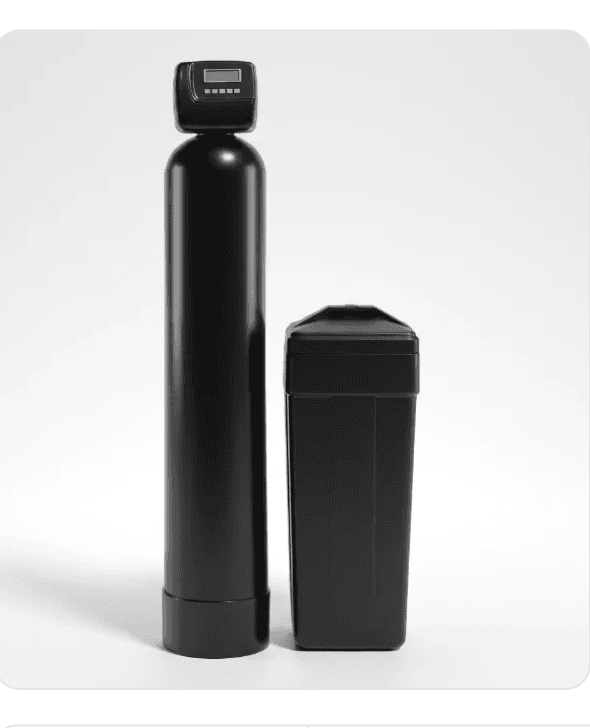
A ready-to-commission bi-block softener built around a 13 x 54 inch pressure tank and a pre-configured CE 1 inch…
View product →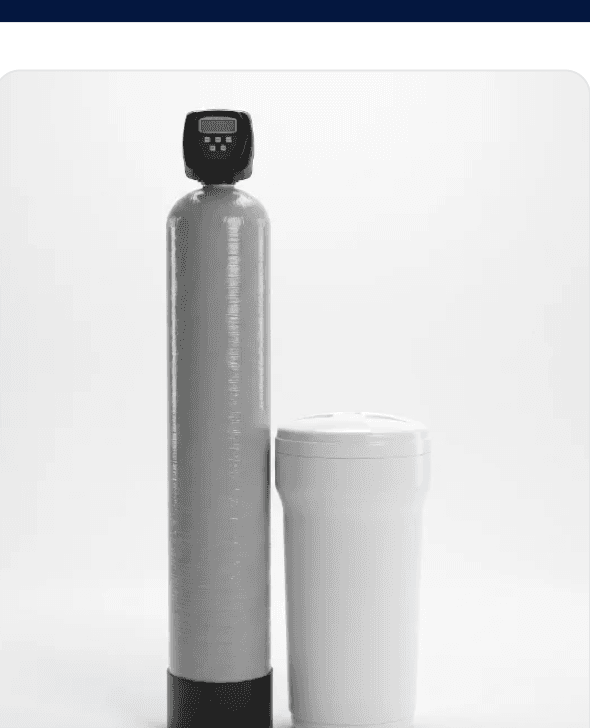
A high-capacity, professional-grade water softener for demanding residential, commercial and light-industrial use…
View product →