
Water dispensers for schools and colleges in Saudi Arabia must provide dependable access to drinking water in hot conditions, handle concentrated demand and fit safely into busy education settings. The right specification depends on the campus, the available water supply, the age and needs of users, and the maintenance plan.
TL;DR
- Design for the busiest break, prayer transition, sports period or event, not the average day.
- Distribute bottle-filling points across large campuses so one queue or fault does not affect everyone.
- Put pupil-facing equipment in supervised areas without blocking corridors, stairs or exits.
- Check accessible routes, reach, control force, visual contrast and bottle support with actual users in mind.
- Survey the proposed point for the water route, pressure, power, drainage and ventilation. Do not assume every Saudi site has the same mains or tank arrangement.
- Use point-of-use carbon filtration where chlorine-related taste and odour need improvement. Add scale control only after a water test and equipment review.
- Keep boiling-water functions in controlled staff or suitable higher-education areas, supported by a risk assessment.
- Plan cleaning, filter changes, sanitisation and holiday recommissioning before installation.
Contents
- Start with the Saudi education setting
- Plan for peak demand and campus movement
- Compare dispenser formats
- Supervision, placement and accessibility
- Water supply, power, drainage and ventilation
- Environmental case and water quality
- Four products for different education settings
- Cleaning and maintenance through the school year
- Pre-installation checklist
- Frequently asked questions
- Get in touch
Start with the Saudi education setting
Saudi schools, colleges and universities operate in conditions where drinking-water access needs to remain practical during hot weather and demanding timetables. The Saudi Ministry of Health advises children to keep drinking water during school activities and, in its back-to-school guidance, encourages regular drinking throughout the day rather than waiting for thirst. This makes access, location and ease of use operational questions, not simply product choices.
No dispenser-specific Saudi regulation was found during research for this guide. Schools and colleges should still confirm all requirements that apply to their premises, water supply, electrical installation, accessibility, safeguarding, food service and occupational safety with the relevant authorities and project professionals. A product page or general buyer’s guide is not a substitute for that project-level review.
The international WASH framework provides useful context without creating a Saudi product rule. UNICEF and the WHO/UNICEF Joint Monitoring Programme define a basic school drinking-water service as an improved source with water available at the time of the survey. Installing equipment is only the beginning: water must remain available and the unit must remain usable.
Local context varies. A primary school, coastal university, residential education compound and training college may have different supplies, storage arrangements and movement patterns. Some points may have a direct potable mains connection; others may be served through site tanks or building systems. Survey the actual route and water condition rather than making a universal assumption.
Plan for peak demand and campus movement
Education demand arrives in waves. A dispenser may be quiet during lessons, then face a queue at morning break, around prayer and timetable transitions, at lunch or after outdoor sport. Universities may also see peaks between lectures, during evening classes or events. Count likely users in the busiest ten or fifteen minutes and observe their routes.
Bottle filling should be treated as a central requirement where pupils or students carry reusable bottles. Check the clearance for tall sports bottles, the space to rest a bottle and the time needed for a typical refill. Fast nominal output is not enough if the alcove is awkward, users must hold a heavy bottle in mid-air or splashing slows the queue.
On a large campus, several well-placed points can shorten journeys, reduce congestion and provide continuity during servicing. Map demand by building, floor, timetable and user group, including sports, dining, library, administration and accommodation areas.
Assess capacity as a system. Confirm pressure and flow at each location, dispenser output, chilled-water recovery and simultaneous use. In hot conditions, check the manufacturer’s installation limits and ventilation requirements. Combine product data, a site survey and a realistic peak profile.
Compare dispenser formats
| Format | Typical education fit | Strengths | Points to check |
|---|---|---|---|
| High-capacity hydration station | Main pupil routes, dining zones, sports facilities and public campus areas | Frequent bottle filling and robust shared use | Peak flow, queue space, mounting, drainage, supervision and sheltered location |
| Countertop chilled and ambient dispenser | Staff rooms, sixth-form areas, reception and managed college spaces | Compact footprint and familiar controls | Counter strength, bottle clearance, power, ventilation and filter access |
| Integrated tap system | Staff kitchens, meeting suites and controlled hospitality areas | Neat point-of-use arrangement with several water options on selected configurations | Under-counter space, drainage, electrical supply, controls and hot-water risk |
| Floor-standing mains-fed dispenser | Staff, administration and supervised common areas | Flexible placement without using worktop space | Stability, floor area, drip management, ventilation and circulation routes |
| Ambient bottle-filling point | Locations where chilled water is not required | Simpler cooling requirement and lower electrical demand | Incoming temperature, user expectations, flow and seasonal suitability |
No single format suits every part of an education estate. Pupil routes normally call for simple, robust bottle filling, while controlled staff or university spaces may justify more options. Separate these briefs so boiling water is not introduced into an open pupil area.
Supervision, placement and accessibility
Place pupil-facing dispensers where staff have reasonable sightlines, especially in primary and intermediate settings. The location should discourage tampering and climbing while allowing normal use without unnecessary restrictions. Enclose or otherwise prevent access to pipework, filters, cylinders and electrical connections.
A queue must not obstruct a fire exit, stair landing, doorway or narrow corridor. Look at the route during a real changeover rather than assessing an empty building. Allow for bags, mobility aids and groups waiting together. Spills should not create a slip hazard, and the daily team must be able to see and address standing water promptly.
Accessibility is more than installation height. Review the approach, turning space, clearance, reach, operating force, visual contrast and instructions. Provide stable bottle support. Consider younger pupils, wheelchair users and people with limited reach or dexterity. Obtain project-specific advice and involve users where possible.
Noise also affects placement. Compressors, pumps and bottle impact can disturb libraries, support rooms and examination areas. A supervised alcove may be better than a position against a quiet teaching wall.
Water supply, power, drainage and ventilation
A pre-installation survey should trace the potable water route to the proposed point and record pressure, flow, isolation and pipe condition. Where a building uses storage tanks, confirm their place in the supply route, management arrangements and suitability for the intended drinking-water point. Where a direct mains route is available, verify it rather than assuming a nearby pipe is direct. Sampling and testing should reflect the actual outlet route.
Chilled dispensers and electronic taps normally need power. Confirm voltage and product compatibility, socket location, circuit protection, cable routing and safe shutdown arrangements. Extension leads across public routes or wet worktops are not a permanent solution. Allow service access without exposing pupils to open panels or live connections.
Drainage varies by model. Some units connect to a waste; others use a removable drip tray that can be overwhelmed during a peak break. Assign inspection and emptying. For a plumbed waste, check route, fall, trap and cleaning access. Avoid stagnant sections and allow safe isolation.
Ventilation is essential for refrigerated units, particularly in warm plant cupboards, enclosed joinery or sun-exposed spaces. Follow the product’s clearance and ambient operating guidance. For outdoor or semi-outdoor locations, confirm that the selected unit and all services are suitable for the exact exposure. Shade or shelter does not automatically make an indoor unit suitable for outdoor use.
Environmental case and water quality
Mains-fed dispensers and bottle-filling stations can support reusable-bottle programmes and reduce reliance on single-use bottles or delivered cooler bottles. That can mean fewer bottles entering bins, less storage pressure and fewer water-delivery movements around arrival gates and pupil routes. The environmental case should be measured through purchasing, waste and delivery records rather than an unsupported headline claim.
Set a policy for labelling, cleaning and storing reusable bottles, and provide access for pupils without one. Bottles should not touch the dispenser outlet. Use clear, age-appropriate refill guidance.
Point-of-use carbon filtration is a practical baseline when the objective is to reduce chlorine-related taste and odour from a potable supply. It may make drinking water more acceptable, but it does not correct every possible water-quality issue and does not replace tank management, outlet cleaning or supply testing. Filter type and replacement intervals should match water conditions, usage and manufacturer guidance.
Scale is a separate question. Water characteristics can vary by source, treatment, storage and site, so do not specify scale control automatically across a Saudi estate. Test the water at the relevant route, then review the result against the chosen dispenser’s heating or chilling components. Conditional scale control can protect equipment where justified, but unnecessary treatment adds consumables and maintenance.
Sovereign Water’s Saudi product range provides regional starting points, but the final treatment and dispenser arrangement should follow verified site data.
Four products for different education settings
Crown Spring
Crown Spring is the high-capacity option in this comparison for main campus routes, sports facilities, dining zones and other busy shared areas. It provides chilled and ambient filtered water, a recessed bottle-fill alcove and a separate drinking faucet. Its stainless-steel construction is intended for frequent use in indoor and sheltered outdoor settings.
Focus on peak demand, queue position, drainage and users of different heights. Confirm whether a sheltered external location meets all installation conditions. On a large campus, Crown Spring may be part of a distributed network.
CrownFlow CA
CrownFlow CA is a compact countertop dispenser for chilled and ambient filtered water. It can suit staff rooms, reception areas, sixth-form spaces and managed college common rooms where commercial performance is needed without a floor-standing cabinet.
Check worktop strength, bottle clearance, power, ventilation and service access. Test capacity against the busiest break. A compact unit still needs space in front and a plan for drips and cleaning.
RoyalFlow BCS
RoyalFlow BCS can suit controlled staff kitchens, boardrooms, university hospitality points and managed refreshment areas where an integrated tap is preferred. Boiling, chilled and sparkling options should be selected only where each one has a defined purpose and the site can manage it safely.
Do not specify boiling water as an open pupil hydration function. Keep it within controlled staff or suitable adult higher-education areas following a documented risk assessment. Confirm under-counter space, ventilation, power, drainage, cylinder management where applicable, controls and maintenance access. For straightforward pupil bottle filling, a dedicated cold-water hydration point is usually the clearer choice.
BRITA Top Pro
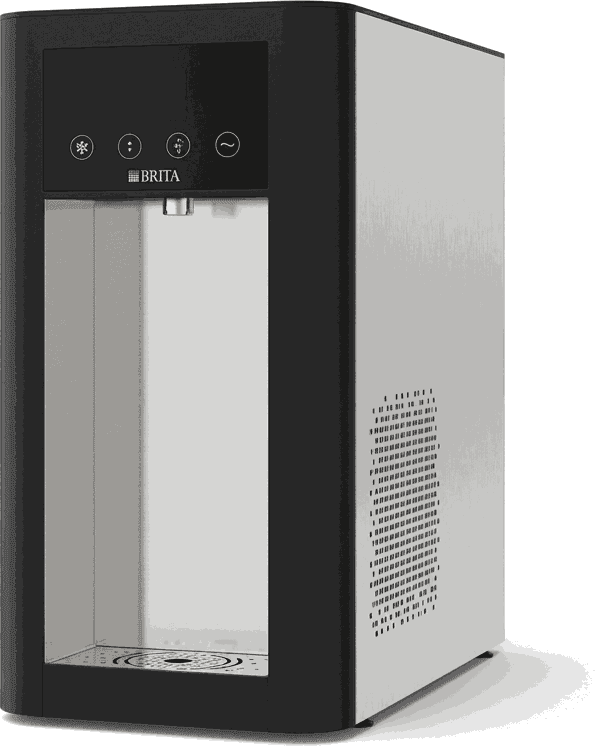
BRITA Top Pro is a floor-standing mains-fed dispenser for managed staff, administrative and higher-education settings. Its format can work where a countertop unit would consume valuable worktop space and where the required water options align with the site brief.
Review its footprint, stability, bottle clearance, ventilation and drip management. Confirm configuration and output against actual demand. In pupil circulation, compare it with equipment designed for high-frequency public bottle filling.
Cleaning and maintenance through the school year
Assign an owner for each unit and record its location, model and service history. Routine tasks include cleaning controls and the dispense area, checking for leaks and emptying drip trays. Follow manufacturer instructions and avoid unsuitable chemicals near the outlet.
Planned work may include sanitisation, filter replacement, conditional descaling, refrigeration checks and inspection of hoses, fittings, wastes and electrical components. Intervals depend on measured water conditions, usage and product guidance. High-use campus equipment may need a different programme from a staff-only unit.
Use school holidays for planned access where practical. Before a closure, follow the manufacturer’s shutdown guidance and decide who remains responsible for inspections. After an extended low-use period, complete the required flushing, cleaning, sanitisation, filter review and recommissioning before learners return. Holiday timing should reduce disruption, not delay a safety-related repair.
Keep records of filter changes, sanitisation, water tests, faults, corrective work and recommissioning. The regional contact page can be used to discuss servicing requirements.
Pre-installation checklist
- Record pupils, students, staff and visitors for each proposed zone.
- Measure likely demand during the busiest break, prayer transition, lunch or sports period.
- Decide whether users need bottle filling, cup filling or both.
- Map supervised locations and plot queues against doors, stairs, exits and teaching routes.
- Confirm accessible approach, reach, control force, contrast and stable bottle support.
- Trace the potable water route, including any tanks, and confirm isolation, pressure and flow.
- Test the relevant water supply before selecting filtration or conditional scale control.
- Confirm power, circuit protection, drainage, ventilation and safe cable routes.
- Check indoor, sheltered outdoor or external exposure against product guidance.
- Assess hot-water, sparkling-water cylinder and tamper risks where applicable.
- Agree cleaning ownership, filter changes, sanitisation and service records.
- Plan shutdown and recommissioning work around school holidays.
- Confirm current technical data, warranty conditions and replacement-part availability.
Frequently asked questions
How many water dispensers does a Saudi school need?
There is no useful universal ratio. Base the number on campus layout, pupil or student count, walking time and the busiest short demand period. Several distributed points may offer better access and resilience than one central unit.
Should schools choose chilled or ambient water?
Consider user expectations, incoming temperature, room conditions, power and maintenance capacity. Chilled water may be preferred in hot conditions, but refrigeration adds recovery limits, ventilation needs and energy use. Some locations may be adequately served by ambient water.
Are bottle-filling stations better than drinking fountains?
Bottle-filling stations suit reusable-bottle programmes and reduce the need for a user’s mouth to approach an outlet. A separate drinking faucet or cup option can still help pupils who forget or cannot use a bottle. The correct mix depends on age, policy and accessibility.
Does every dispenser need a drain?
No. Some models use a removable drip tray while others need a waste connection. High-use points may benefit from a suitable plumbed waste, but this depends on the unit and building. Confirm the arrangement before procurement.
Is carbon filtration always required?
Not in every case. Point-of-use carbon is a practical baseline when chlorine-related taste and odour are the concern. Selection should follow the supply, desired outcome and manufacturer guidance, with a replacement plan for every filter installed.
When does a Saudi site need scale control?
Only after testing the relevant water route and reviewing the result against the chosen equipment. Scale control can be useful where hardness threatens heating or chilling components, but it should not be added automatically to every Saudi installation.
Can pupils use a dispenser with boiling water?
Boiling water should not be specified as an open pupil hydration function. Restrict it to a controlled staff or suitable adult higher-education area, with a documented risk assessment, clear controls and appropriate management.
What should happen to dispensers during school holidays?
Follow the manufacturer’s shutdown and recommissioning instructions. Extended low use may require flushing, cleaning, sanitisation and a filter review before reopening. Name the responsible person and record the completed work.
Get in touch
Sovereign Water can review proposed locations, peak-use patterns and available services before a system is specified. Contact the Saudi team to discuss the requirements of a school, college, university or education campus.
Sources
- Saudi Ministry of Health: School Health
- Saudi Ministry of Health: Health Guidelines for Returning to School
- UNICEF Data: WASH in schools
- Sovereign Water Saudi Arabia: Crown Spring
- Sovereign Water Saudi Arabia: CrownFlow CA
- Sovereign Water Saudi Arabia: RoyalFlow
- Sovereign Water Saudi Arabia: BRITA Top Pro
Products mentioned in this article
A single mains-fed dispense point for chilled still, sparkling, semi-sparkling and ambient water, engineered…
View product →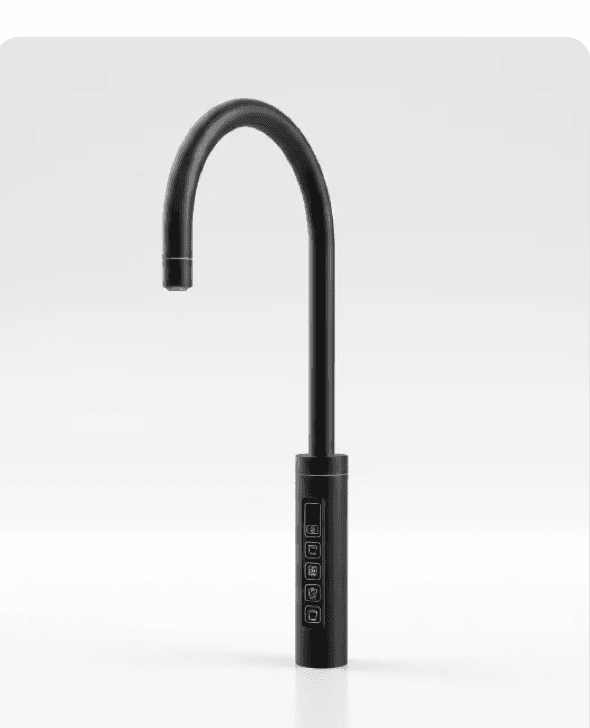
A high-performance, commercial-grade tap delivering instant boiling, chilled and sparkling water with reliability…
View product →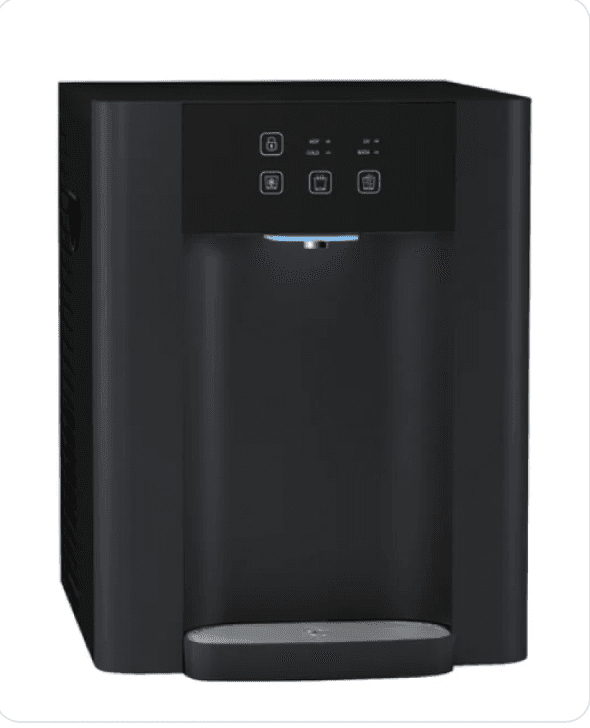
A sleek, compact countertop dispenser delivering instant chilled and ambient filtered water with commercial-grade…
View product →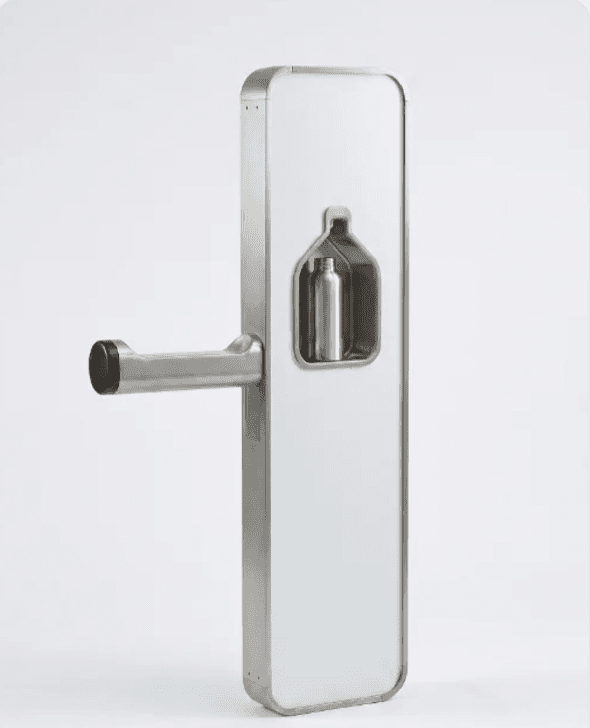
A premium freestanding station serving chilled and ambient filtered water with a recessed bottle-fill alcove, robust…
View product →