
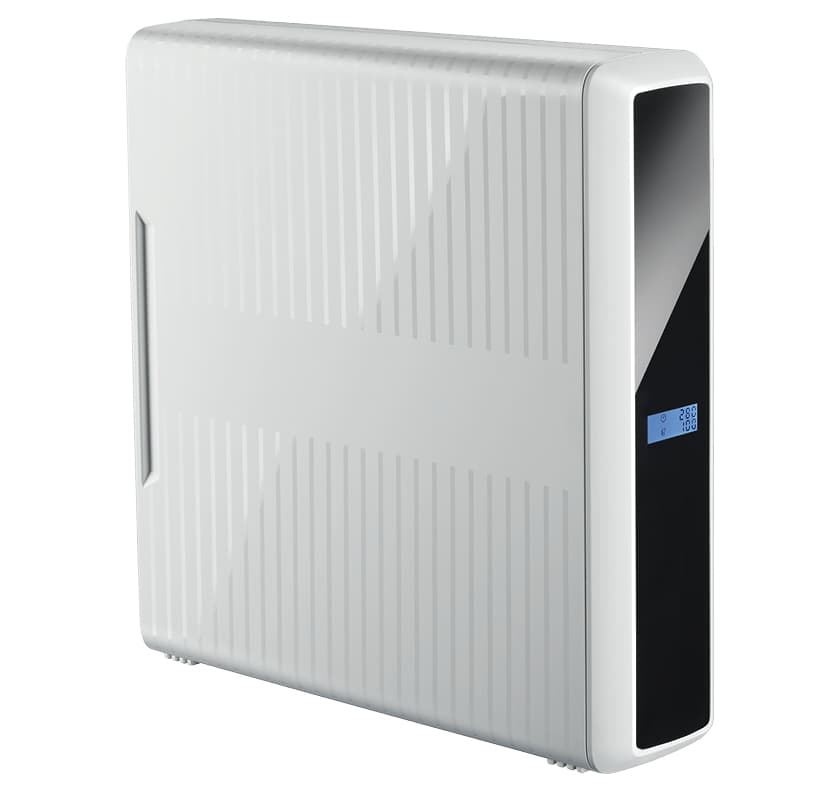
Most Saudi restaurants do not notice their water until something breaks. Ice goes cloudy. The coffee machine scales up. Guests comment that the table water tastes flat or salty. These are all symptoms of the same thing: a supply that is mostly desalinated seawater, sometimes blended with brackish groundwater, and carries more dissolved solids and chloride than kitchen equipment is designed for. A reverse osmosis (RO) system is the standard answer, and one well-sized unit can protect ice, coffee and table water together.
This guide explains where the problem comes from, what each part of the restaurant gains, what it costs to ignore, and how to specify a system that suits Saudi conditions.

Why Saudi restaurant water is different
In Riyadh, Jeddah, Dammam and the Eastern Province, the mains supply is largely desalinated seawater, in some areas blended with brackish groundwater. Depending on source and blend, it can arrive with elevated Total Dissolved Solids (TDS) and chloride. Saudi drinking water standards allow TDS between 100 and 1,000 mg/L, while the Specialty Coffee Association targets around 150 mg/L for brewing water. That gap is the whole story.
Two Saudi factors make it worse:
- Heat. Warm plant rooms and rooftop tanks speed up scale on heating surfaces and ice evaporators.
- Storage. Water often sits in building tanks before it reaches the kitchen, so what comes out of your tap is not what left the treatment plant.
What RO changes in the kitchen
RO forces mains water through a membrane that removes most dissolved salts, chloride and minerals. The output is consistent, so you stop chasing a different problem every month. Better systems re-mineralise to a target level, which keeps drinks tasting balanced and the water gentler on equipment. For a plain explainer, see Reverse Osmosis Explained.
Three places the money shows
Ice. High-TDS water gives cloudy ice that melts fast and scales the evaporator plate. Clear, slow-melting ice is a visible quality signal in cold drinks, and a clean evaporator keeps the machine producing.
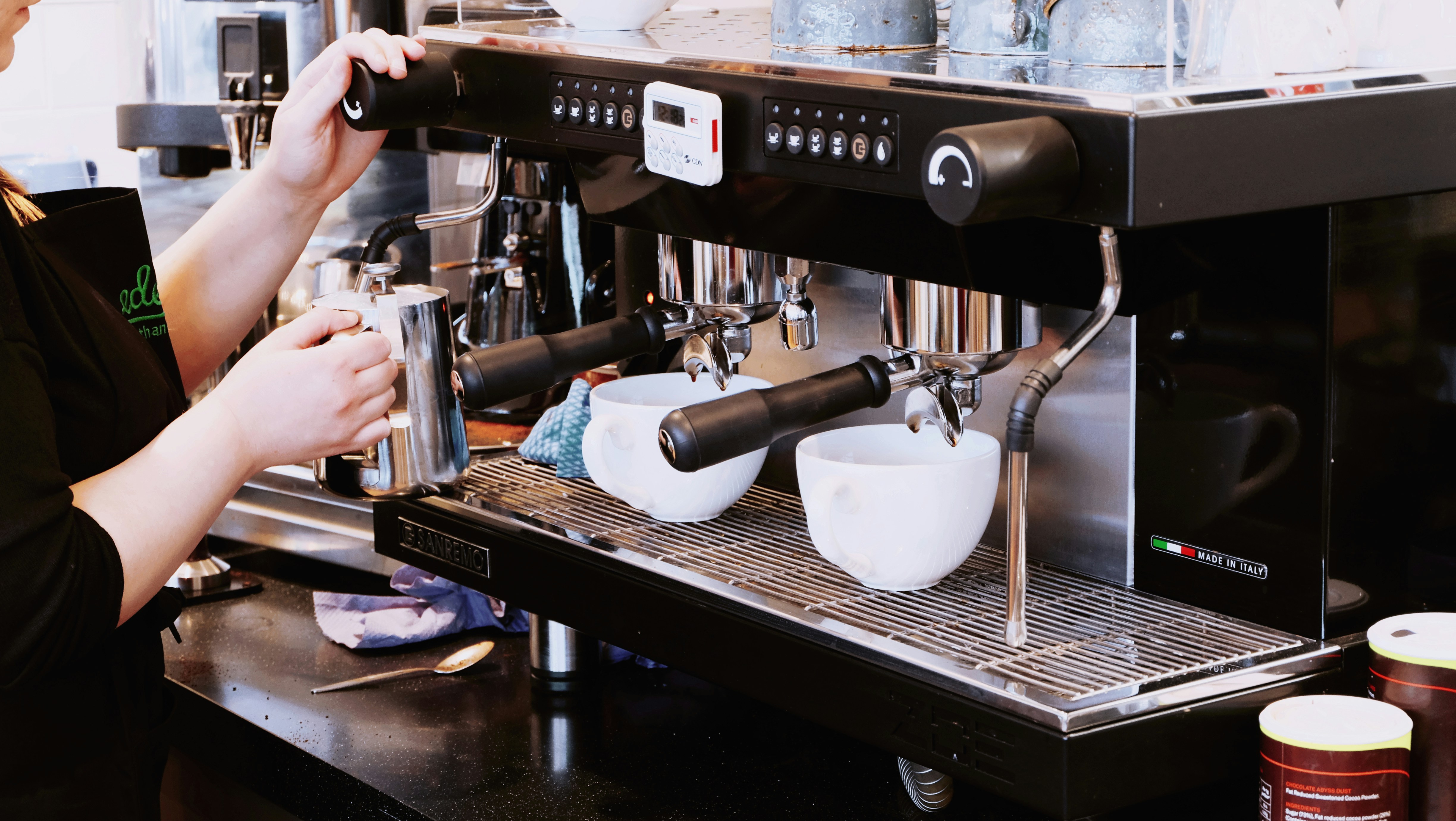
Coffee. Saudi Arabia's specialty coffee scene depends on repeatable extraction. Scale and chloride shorten boiler life and change the cup. RO water, blended to a set hardness, protects both.
Table water. Many venues now serve still and sparkling water from a tap or dispenser. RO takes out the heavy mineral and salty note of desalinated supply and removes the cost, storage and plastic waste of bottled water.
Steamers, combi ovens and glasswashers also run better on treated water, so the same system extends across the kitchen.
The business case
The case is total cost of ownership. Fewer breakdowns, fewer callouts, lower energy waste and later replacement of expensive equipment add up. Reliable uptime matters in a market expanding fast under Vision 2030, where a failed coffee machine on a Friday is lost revenue, not just an inconvenience. Replacing bottled water with your own filtered still and sparkling service adds a premium touch for guests.
What to specify
A system set up for soft European supply will not cope here. High TDS, chloride and sediment foul a membrane quickly without correct pre-treatment, so pre-treatment is part of the specification, not an add-on. Size to peak demand across ice, coffee and table water together. Set the blend so the water tastes right. Treat the venue as one system.
Sovereign Water designs bespoke pre-treatment for challenging Saudi conditions, sizes the system to your peak demand and sets the blend. Our Comprehensive Maintenance programme schedules filter and membrane changes and performance checks, which matter more where the membrane works hard against high-TDS water.
Frequently asked questions
What does a restaurant use RO for?
Mainly ice, coffee and front-of-house drinking water. One correctly sized system can supply all three and protect steamers and glasswashers too.
Does RO protect against chloride corrosion?
Yes. The membrane rejects most dissolved chloride and salts, which protects coffee boilers, steamers and fittings. Pre-treatment keeps the membrane working in Gulf water.
Can it supply still and sparkling water?
Yes. RO is an ideal source for a still and sparkling dispenser or tap.
How much maintenance is involved?
Filters and membranes need periodic changes and checks, more often in high-TDS conditions. A maintenance plan schedules this so performance stays steady.

Ready to protect your restaurant?
Sovereign Water designs, installs and maintains RO systems for restaurants across Saudi Arabia. Get in touch for a consultation.
Sources
- Al-Hamzah and Fellows, Drinking Water Quality in the Kingdom of Saudi Arabia, Water 2024 (MEWA TDS 100 to 1000 mg/L): https://www.swcc.gov.sa/uploads/water-16-01810%20(3).pdf
- SCA water standard targets (TDS 150 mg/L): https://www.urbansaqua.com/wp-content/uploads/2023/09/www.urbansaqua.com-robust-ro-drinking-water-systems-water-standards.pdf