
The booming pop-up restaurant scene across Saudi Arabia has revolutionised how culinary concepts reach consumers, but the transient nature of these operations creates unique infrastructure challenges—particularly regarding consistent, high-quality water. From weekend food markets in Riyadh’s King Abdullah Financial District to seasonal festival kitchens in Jeddah’s Historic District, pop-up restaurateurs face variable water sources that can significantly impact food quality, equipment longevity, and operational efficiency. This comprehensive guide explores how strategic water filtration solutions can transform these challenges into competitive advantages while supporting compliance with Saudi Arabia’s evolving environmental and health standards.
Table of Contents
- Overcoming Variable Water Quality in KSA Pop-Up Venues
- Portable Filtration Technologies for Temporary Food Operations
- Protecting Equipment Investments and Operational Continuity
- Enhancing Customer Experience Through Superior Water Quality
- Meeting Sustainability Goals and KSA Regulatory Requirements
Overcoming Variable Water Quality in KSA Pop-Up Venues
Pop-up restaurants across Saudi Arabia face a distinct challenge that permanent establishments rarely encounter: the need to adapt to dramatically varying water quality as they move between locations. The Kingdom’s diverse water infrastructure creates significant regional water variations—from the highly processed desalinated water of Jeddah and Dammam (often with elevated TDS levels exceeding 500mg/l) to the mixed groundwater and desalinated supplies of Riyadh and the Eastern Province. For pop-ups moving between these regions, these variations can create inconsistent food and beverage quality that directly impacts customer satisfaction and brand reputation.
Beyond natural mineral content variations, temporary venues often introduce additional water quality variables. Festival sites in locations like Riyadh’s King Fahd Cultural Centre or outdoor events in Al Khobar’s Corniche may rely on temporary water infrastructure with potential contamination risks, while urban markets such as Riyadh’s Souq Al Zal or Jeddah’s Red Sea Mall food courts often connect to complex distribution systems with fluctuating chlorine levels and variable hardness. Recent testing across KSA temporary event spaces revealed that 61% experienced water quality inconsistencies significant enough to affect food and beverage taste profiles.
The operational realities of pop-up venues compound these challenges. Limited setup time (often just hours before service) leaves minimal opportunity for water quality testing and adaptation. Without proper filtration systems designed for rapid deployment, pop-ups risk compromised product quality during their critical opening periods. For concepts that rely heavily on water-based preparations—specialty coffee operations, fresh juice bars, or premium tea service—these inconsistencies can fundamentally undermine their value proposition. This reality makes strategic water filtration not merely an operational enhancement but rather a fundamental business necessity for serious pop-up food businesses operating across diverse KSA locations.
Portable Filtration Technologies for Temporary Food Operations
The transient nature of pop-up restaurants demands filtration solutions that combine performance with portability—a very different requirement from permanent foodservice installations. Modern portable filtration systems designed for the KSA market have evolved to address these specific needs through innovative technologies and form factors optimised for the Kingdom’s unique water challenges. Compact, high-capacity systems capable of processing 5,000-20,000 litres between cartridge changes represent the optimal balance between performance and maintenance requirements for most pop-up operations in Saudi Arabia’s demanding climate.
Quick-connect solutions with flexible installation options have become essential for operations that may need to establish and break down water systems multiple times monthly. Systems featuring food-grade quick-connect fittings and high-temperature resistant tubing allow installation in under 30 minutes without requiring specialised plumbing skills or tools—a critical consideration for pop-up teams operating in the Kingdom’s extreme heat conditions. These systems typically incorporate multi-stage filtration, addressing several water quality issues simultaneously through a combination of mechanical, carbon, and reverse osmosis processes specifically calibrated for desalinated and mixed water sources.
For KSA operations moving between regions with dramatically different water profiles, modular cartridge systems offer particular advantages. These allow operators to configure filtration media appropriate to specific locations—adding TDS reduction for coastal areas with high mineral content while emphasising chlorine and chloramine removal for heavily treated municipal supplies in major cities. Typical costs for these adaptable systems range from SAR 5,000-10,500, with replacement cartridges costing SAR 560-1,300 depending on capacity and technology. For pop-ups operating on tight margins, rental options starting at SAR 630 monthly present an attractive alternative that minimises capital expenditure.
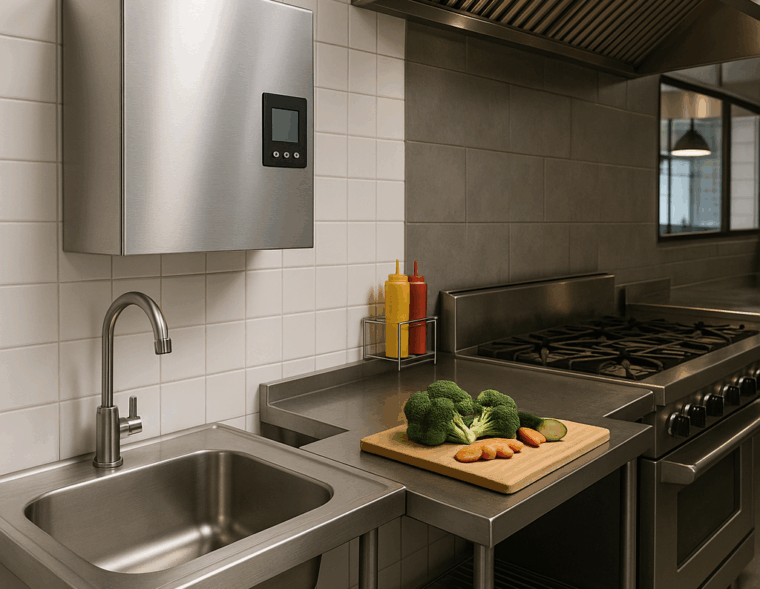
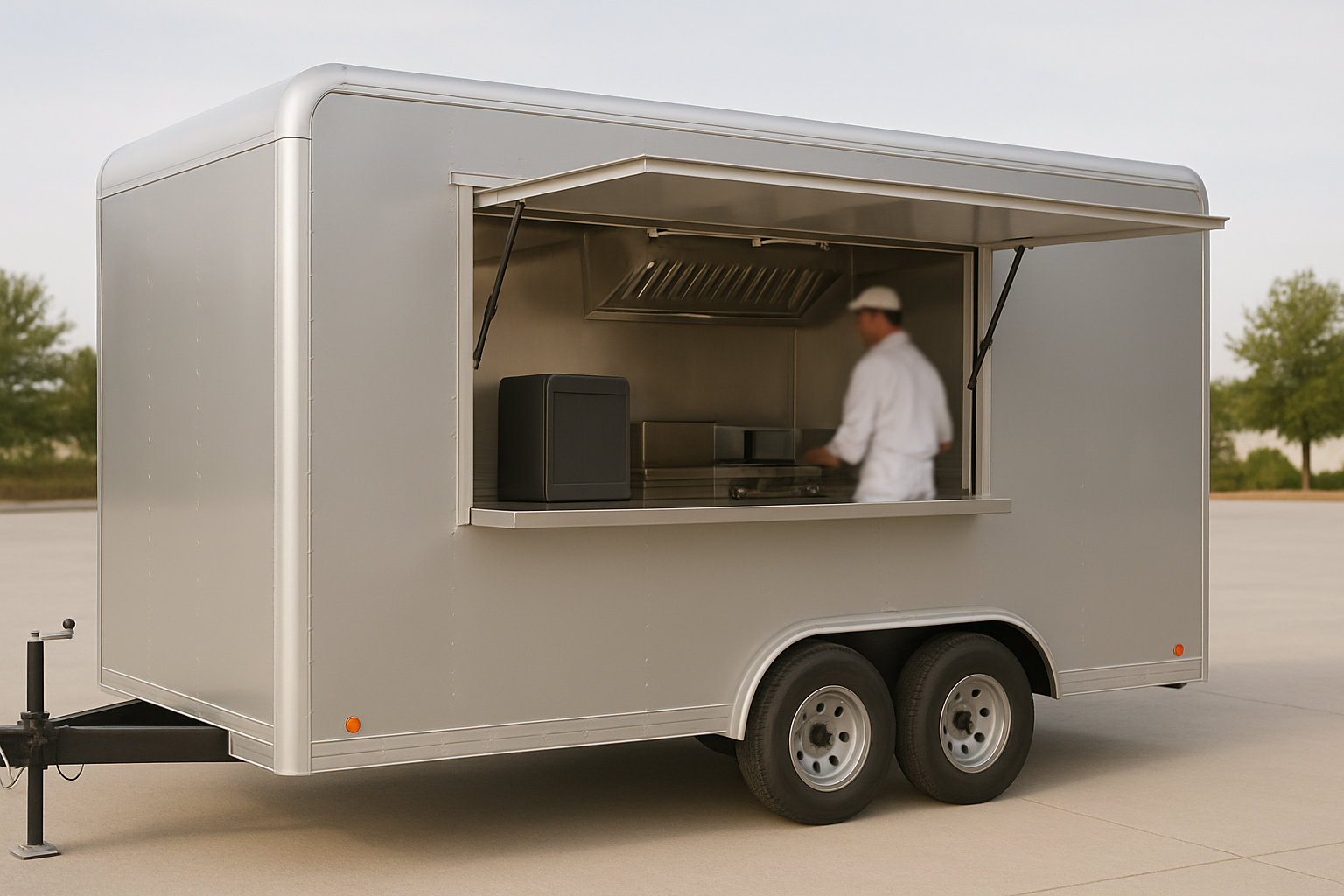
Ultracompact undersink and countertop systems have gained particular traction with coffee-focused pop-ups appearing at weekend markets across Riyadh’s Diplomatic Quarter, Jeddah’s Corniche, and Dammam’s King Fahd Park. These systems, typically measuring under 40cm in height and 20cm in width, require minimal space while delivering targeted filtration for specific applications. Their small footprint makes them ideal for food truck operations, converted containers, and other space-constrained environments that characterise much of the Kingdom’s innovative pop-up dining scene.
Protecting Equipment Investments and Operational Continuity
For pop-up restaurant operators in Saudi Arabia, equipment reliability represents a make-or-break factor with no margin for failure during limited operational windows, especially given the challenging environmental conditions. Unfiltered water presents multiple threats to this reliability, with high TDS, salt content, and extreme temperatures being particularly problematic in the KSA market. Industry data indicates equipment operating with unfiltered desalinated water can experience accelerated component corrosion and reduced efficiency of 25-40% within just 75 operating hours—a timeframe that might represent just 2-3 weeks for a busy pop-up restaurant.
The financial implications extend beyond energy costs. Specialty coffee machines, increasingly common in gourmet pop-ups, typically cost SAR 40,000-110,000 and can require expensive maintenance services (SAR 2,000-3,500) or component replacements if operated with unfiltered water high in dissolved salts and minerals. For operators at temporary locations like Riyadh’s Kingdom Centre seasonal markets or Jeddah’s Mall of Arabia pop-up spaces, equipment repair options during operational periods are limited and often prohibitively expensive. A single equipment failure during a weekend event can represent hundreds of thousands of riyals in lost revenue with no opportunity to recoup these losses.
Beyond high TDS, sediment and chemical additives present additional threats to operational continuity. Sediment particles damage precision components in modern equipment, while residual chemicals from water treatment processes degrade gaskets and seals, creating leak risks in temporary installations where water damage could affect neighbouring vendors or premium venue infrastructure. Purpose-designed filtration systems incorporating pre-filtration, carbon treatment, and TDS reduction technology address all three risks simultaneously, typically extending maintenance intervals by 55-75% compared to unfiltered operations in KSA conditions.
For pop-ups operating across multiple KSA locations, the investment in portable, high-quality filtration systems typically achieves payback within 4-8 months through extended equipment life, avoided emergency repairs, and improved energy efficiency. When factoring in the opportunity cost of potential downtime during limited operational windows, the business case becomes even more compelling. A typical weekend market pop-up in Riyadh or Jeddah might generate SAR 28,000-67,000 in revenue per event day—making equipment reliability an existential priority that proper filtration directly supports.
Enhancing Customer Experience Through Superior Water Quality
Water quality dramatically influences customer perceptions of food and beverage offerings—a particularly critical consideration for pop-ups that rely heavily on social media sharing and word-of-mouth to drive footfall during limited operational windows in the Kingdom’s competitive dining scene. Recent sensory research indicates approximately 69% of Saudi consumers can detect off-tastes in drinking water related to desalination processes, while even subtle mineral imbalances in coffee, tea, and fresh juices significantly impact overall satisfaction and likelihood to recommend.
For specialty coffee pop-ups—a rapidly growing segment in urban markets from Riyadh’s Tahlia Street to Jeddah’s Prince Sultan Street—water quality represents the single most influential factor affecting flavour extraction. The Specialty Coffee Association recommends specific mineral profiles (40-70 ppm calcium hardness, 70-140 ppm total dissolved solids) to achieve ideal extraction. Without targeted filtration, KSA water variations require constant recipe recalibration as pop-ups move between locations, potentially compromising consistency and brand reputation in a market where coffee culture is experiencing unprecedented growth.
Beyond beverages, water quality affects numerous culinary applications from dough hydration in artisanal bread pop-ups to sauce reduction in high-end mobile kitchens. Chef-driven pop-up concepts offering premium dining experiences at temporary locations like Riyadh’s JAX District or Jeddah’s Historic Centre face particularly high customer expectations regarding flavour precision. Filtered water with balanced mineral content allows flavours to develop cleanly without unwanted chemical notes or texture impacts from excessive sodium or other dissolved minerals.
The operational benefits of proper water filtration extend to visual presentation elements as well. Crystal-clear ice production—increasingly important for premium juice bars and smoothie pop-ups appearing at events from Riyadh Food Festival to Jeddah’s Red Sea cultural events—depends on water free from dissolved salts and particulates that cause rapid melting and clouding. Similarly, spotless glassware and tableware emerge from washing processes using properly filtered water that prevents mineral spotting, enhancing overall presentation without requiring labour-intensive hand polishing during busy service periods in the Kingdom’s demanding climate.
Meeting Sustainability Goals and KSA Regulatory Requirements
Pop-up restaurants increasingly face scrutiny regarding their environmental footprint, with water and waste management practices forming a significant component of this assessment. Saudi Arabia’s Vision 2030 sustainability goals and plastic reduction initiatives have accelerated the shift away from bottled water service toward sustainable filtration alternatives. Implementing point-of-use filtration systems enables pop-ups to eliminate single-use plastics while simultaneously reducing carbon footprint associated with bottled water transportation and disposal in the Kingdom’s challenging logistics environment.
Recent consumer research indicates that 62% of Saudi diners consider environmental responsibility when selecting dining venues, with this percentage rising to 76% in metropolitan areas where pop-ups concentrate—Riyadh, Jeddah, and Dammam. For pop-ups targeting environmentally-conscious demographics, demonstrable sustainability practices create meaningful competitive differentiation in crowded marketplaces like Riyadh’s King Fahd Road or Jeddah’s Tahlia Street food courts.
Beyond consumer preferences, regulatory compliance increasingly demands attention to water quality. Saudi Food and Drug Authority (SFDA) and Ministry of Environment, Water and Agriculture guidelines require pop-ups to demonstrate appropriate water management practices, with potential penalties for non-compliance ranging from improvement notices to prohibition orders that could effectively end operations. Local health inspectors particularly scrutinise temporary food operations, with water quality and management forming a standard component of their assessments.
Proper filtration systems with documented performance specifications help ensure compliance with potable water standards essential for food preparation. For pop-ups operating in premium developments, heritage areas, or environmentally sensitive locations like Riyadh’s King Abdullah Financial District or Jeddah’s Historic Centre, filtration systems prevent potentially harmful substances from entering drainage systems—avoiding potential compliance issues with discharge regulations. With financial penalties for environmental infractions starting at SAR 3,750 and potentially reaching tens of thousands of riyals for serious violations, the compliance benefits alone often justify investment in proper filtration solutions aligned with the Kingdom’s increasingly stringent environmental standards under Vision 2030.
Conclusion
For pop-up restaurants navigating the dynamic Saudi Arabian food scene, strategic water filtration represents far more than a technical consideration—it’s a fundamental business enabler that directly impacts product quality, operational reliability, and brand reputation. By implementing portable, high-performance filtration solutions designed specifically for temporary foodservice applications in the Kingdom’s unique environment, pop-up operators can maintain consistent excellence regardless of location while simultaneously protecting equipment investments, enhancing customer experiences, and demonstrating environmental responsibility. In today’s competitive marketplace, where pop-ups may have just days or weeks to establish their reputation, these advantages transform water filtration from an operational afterthought into a critical success factor that supports both immediate performance and long-term business viability.
To find out more, please contact the team at Sovereign Water using the phone number on our website or by emailing [email protected]