
Combatting Water Hardness: Essential Strategies for Ensuring Quality and Safety in Commercial Workplaces
In the Kingdom of Saudi Arabia, water hardness presents unique challenges for commercial facilities. With mineral content often exceeding global averages due to groundwater characteristics and desalination processes, businesses across Riyadh, Jeddah, and emerging developments like NEOM face accelerated equipment deterioration, increased operational costs, and potential health considerations. This comprehensive guide offers KSA-specific strategies for facilities managers and sustainability professionals to effectively combat water hardness while supporting broader national goals.
Table of Contents
- Understanding Water Hardness in Saudi Arabian Commercial Settings
- Impact of Hard Water on Commercial Equipment and Operations
- Water Treatment Solutions for KSA Business Environments
- Cost-Benefit Analysis of Water Management for Saudi Facilities
- Aligning Water Quality with Saudi Vision 2030 Sustainability Goals
Understanding Water Hardness in Saudi Arabian Commercial Settings
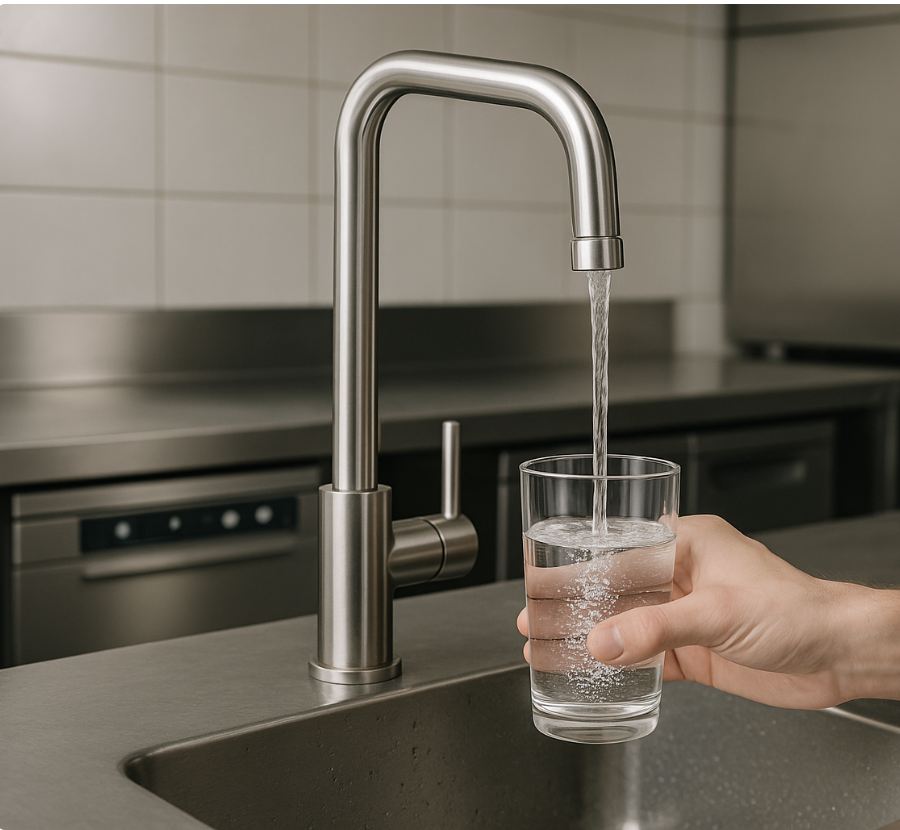
Water hardness in the Kingdom presents distinctive challenges compared to global standards, with multiple contributing factors creating a complex water quality landscape. According to the Saudi Standards, Metrology and Quality Organization (SASO), water hardness in commercial buildings across Saudi Arabia typically ranges between 180-500 mg/L (ppm), significantly higher than the WHO’s recommendation of below 170 mg/L. The Saudi Water Partnership Company’s (SWPC) reports indicate that municipal supply can reach hardness levels of up to 800 mg/L in certain regions, placing extreme stress on building systems and equipment.
The source of this hardness varies by region within the Kingdom. In coastal cities like Jeddah and Dammam, desalinated seawater—which accounts for approximately 50% of the Kingdom’s potable water—undergoes remineralization processes that introduce calcium and magnesium compounds. While beneficial for human consumption, these exact minerals create substantial scale formation in commercial applications. Meanwhile, facilities in interior regions like Riyadh and Qassim Province often depend on groundwater with naturally high mineral concentrations, particularly calcium sulfate, which creates persistent scaling challenges.
Seasonal variations also impact water hardness across Saudi Arabia. During peak summer months (May-September), when temperatures regularly exceed 45°C and water consumption increases by approximately 40% according to the National Water Company, mineral concentration in municipal supplies often rises correspondingly. This creates a challenging cycle where water hardness peaks precisely when cooling systems face their greatest operational demands.
For facilities managers in the Kingdom, understanding these regional and seasonal patterns is crucial. Regular testing is essential, with quarterly analysis recommended for most commercial facilities and monthly monitoring for operations with critical water-dependent processes. The Saudi Geological Survey provides certification for testing laboratories that meet national standards, ensuring reliable analysis of your facility’s unique water profile.
Impact of Hard Water on Commercial Equipment and Operations
The financial implications of untreated water hardness in Saudi commercial settings are substantial and often underestimated. According to research by the Middle East Facility Management Association (MEFMA), scale formation from hard water reduces HVAC efficiency by 15-30% in Saudi conditions, where systems typically operate at maximum capacity for 7-8 months annually. This translates to approximately SAR 40,000-70,000 in additional energy costs annually for a mid-sized commercial building in Riyadh or Jeddah.
Equipment vulnerability is particularly acute in the Kingdom’s climate and water conditions. Commercial cooling towers, essential for most KSA office buildings, can experience up to 45% reduced efficiency and 35% shorter lifespan when operating with untreated hard water. Scale deposits as thin as 3mm can increase energy consumption by up to 25%, while also creating ideal conditions for bacterial colonization—a serious health and compliance concern under Saudi Food and Drug Authority (SFDA) regulations regarding building water safety.
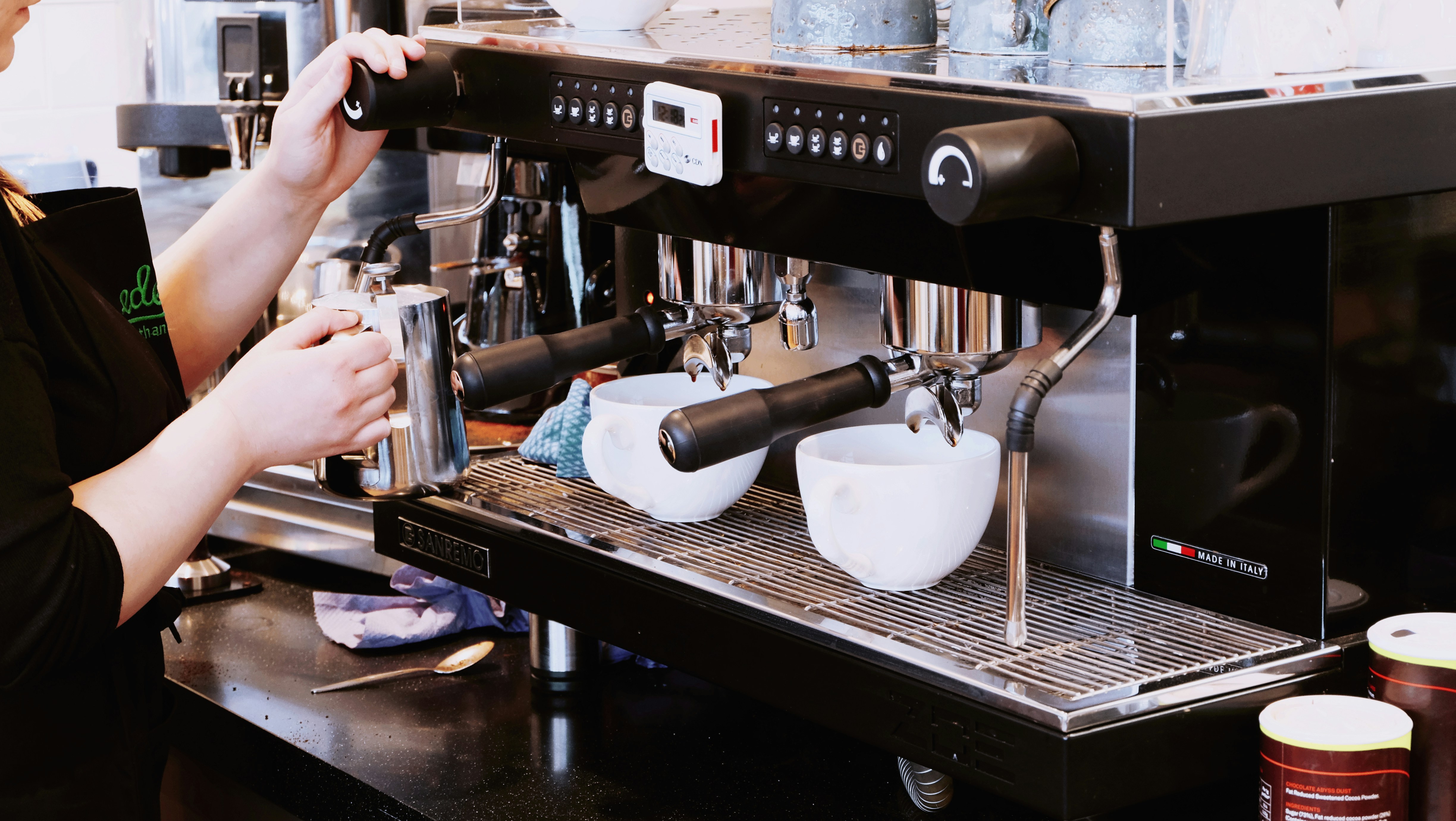
Hospitality and F&B establishments face compounded challenges in the KSA market. High-end coffee machines in hotel lobbies and cafés can experience 80% more maintenance issues when operated with water exceeding 200 mg/L hardness—common throughout the Kingdom. The SFDA and municipal health departments maintain strict requirements for sanitation and equipment maintenance, creating additional compliance pressure as scale buildup can compromise cleaning efficacy and surface hygiene.
The extreme operating conditions of Saudi Arabia amplify these effects. With ambient temperatures regularly exceeding 50°C during summer months in cities like Riyadh, cooling systems already operate near capacity thresholds. The Saudi Energy Efficiency Center research indicates that scale-related efficiency losses create a compounding effect, where systems must work harder in already challenging conditions, further accelerating deterioration and creating potential business continuity risks during critical cooling periods.
Water Treatment Solutions for KSA Business Environments
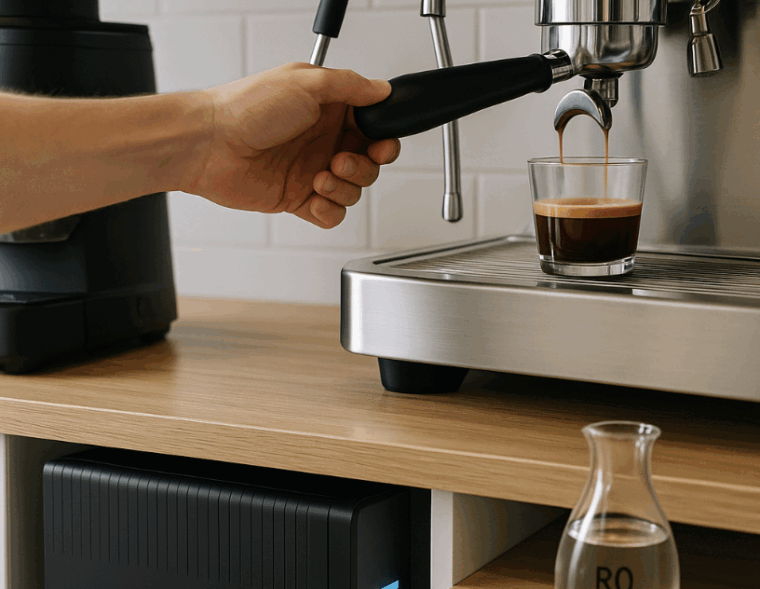
Saudi Arabian commercial environments require water treatment solutions specifically engineered for the Kingdom’s unique challenges. Advanced reverse osmosis (RO) systems remain the gold standard for comprehensive water treatment in premium commercial settings. Modern commercial RO units designed for Gulf conditions incorporate pre-treatment stages to address the region’s extremely high Total Dissolved Solids (TDS) levels, which can exceed 2,000 ppm in some interior regions. These systems typically achieve 95-98% mineral reduction while being optimized for Saudi Arabia’s water chemistry profile.
For applications where comprehensive desalination isn’t required, scale inhibition systems offer effective protection with lower operational demands. Phosphate-based inhibitors perform particularly well in KSA conditions, with field tests in Riyadh’s commercial developments showing 80-90% reduction in scale formation on heat exchange surfaces. These systems are especially suitable for protecting boilers and cooling systems where complete mineral removal isn’t necessary or desirable.
Electromagnetic and electronic descalers represent an emerging technology gaining traction in the Saudi market. These non-chemical systems alter the crystalline structure of minerals, preventing scale adhesion without removing beneficial minerals. The Saudi Arabian Standards Organization (SASO) has verified their effectiveness in local conditions, documenting 60-75% reduction in new scale formation and gradual removal of existing deposits. Their minimal maintenance requirements make them well-suited to the Kingdom’s maintenance cost structures.
Point-of-use filtration systems provide targeted protection for specific equipment and applications. In food service environments, dedicated water filtration for coffee machines, ice makers, and dishwashers can extend equipment life by 40-50% while reducing maintenance frequency by 30-40%, according to data from the Saudi Culinary Association. These systems can be precisely calibrated to address the specific water quality challenges at each facility, providing optimal protection while controlling implementation costs.
Cost-Benefit Analysis of Water Management for Saudi Facilities
Implementing comprehensive water treatment solutions in KSA commercial environments requires significant initial investment, but delivers compelling returns within the Kingdom’s unique operational context. Initial implementation costs for commercial-grade systems range from SAR 20,000 for basic point-of-use solutions to SAR 200,000+ for comprehensive building-wide treatment systems in larger facilities. However, operational returns typically offset these investments within 12-24 months—significantly faster than in many Western markets due to Saudi Arabia’s extreme water conditions.
Energy savings provide the most substantial financial return in the Kingdom’s high-consumption environment. Saudi Energy Efficiency Center data indicates that preventing scale in HVAC systems reduces energy consumption by 15-25% in KSA conditions. For a typical Class A office building in Riyadh’s King Abdullah Financial District, this translates to approximately SAR 90,000-140,000 in annual energy cost reduction, while also supporting emission reduction targets under Saudi Green Initiative frameworks.
Maintenance and replacement cost reductions compound these benefits in Saudi Arabia’s premium real estate market. KSA facilities management statistics indicate that water-using equipment in untreated environments requires replacement 2-3 times more frequently than identical equipment operating with properly treated water. For a typical hotel property in Jeddah or Makkah, with multiple water-dependent systems, this can represent maintenance savings of SAR 50,000-85,000 annually, while reducing operational disruptions during peak periods.
Labor efficiency gains provide additional value in the Kingdom’s evolving staffing market. Maintenance teams typically spend 15-20% less time addressing water-related equipment failures when comprehensive treatment is implemented, allowing redirection of skilled technical staff to preventative maintenance and system optimization. With Saudization initiatives increasing focus on workforce efficiency, this translates to approximately SAR 30,000-45,000 annual value for medium-sized commercial operations while supporting workforce development goals.
Most comprehensive water treatment solutions in KSA commercial environments achieve complete ROI within 18-24 months, with ongoing benefits for 7-10 years with proper maintenance. This timeline shortens considerably in the Western Province, where water conditions can be particularly challenging due to higher mineral content.
Aligning Water Quality with Saudi Vision 2030 Sustainability Goals
Water quality management represents a significant opportunity for alignment with the Kingdom’s ambitious Vision 2030 framework and related sustainability initiatives. The Saudi Green Initiative specifically targets resource efficiency, with water conservation and optimization as key components. By implementing comprehensive water hardness management, commercial facilities directly support national water efficiency goals while maintaining operational excellence in alignment with the Kingdom’s transformation.
The National Renewable Energy Program creates additional incentives for water quality management. Scale prevention in thermal systems reduces carbon emissions by decreasing energy consumption in heating and cooling applications. For larger commercial buildings in Riyadh and Jeddah, these reductions can contribute 3-5% toward overall carbon reduction targets—a meaningful component of comprehensive sustainability strategies aligned with the Kingdom’s goal to generate 50% of its electricity from renewables by 2030.
NEOM’s ambitious environmental standards provide a glimpse into the future direction of Saudi sustainability requirements. With its commitment to being completely powered by renewable energy and featuring cutting-edge water management, NEOM establishes benchmarks likely to influence broader regulations across the Kingdom. Commercial facilities implementing advanced water quality management today are positioning themselves for compliance with tomorrow’s standards while delivering immediate operational benefits.
Water treatment also supports compliance with green building standards increasingly emphasized in Saudi Arabia’s commercial real estate sector. The Saudi Green Building Forum standards award points for water efficiency measures, including those addressing hardness management. Properties achieving higher certification levels command premium leasing rates of 5-10% according to Knight Frank Saudi Arabia research, creating additional financial incentives beyond operational savings.
For multinational corporations operating in the Kingdom, water quality management provides valuable data points for ESG reporting while demonstrating commitment to supporting Saudi national priorities. With investors increasingly scrutinizing environmental metrics, demonstrating comprehensive resource efficiency in challenging operating environments like Saudi Arabia enhances corporate sustainability narratives while delivering tangible operational benefits and supporting the Kingdom’s transformation goals.
Conclusion
Water hardness management represents a critical yet often overlooked component of facilities management excellence in Saudi Arabia’s rapidly evolving commercial sector. By implementing appropriate treatment solutions, businesses can realize significant benefits including extended equipment lifespans, reduced energy consumption, lower maintenance costs, and improved operational reliability.
With the Kingdom’s ambitious Vision 2030 framework driving transformation across all sectors, addressing water quality issues delivers both immediate operational improvements and alignment with broader national priorities. Forward-thinking facilities managers and sustainability officers recognize that effective water hardness management isn’t merely a technical consideration—it’s a strategic investment in operational excellence and environmental leadership within the unique context of Saudi Arabia’s development journey.
To explore how Sovereign Water can enhance your KSA facility’s sustainability credentials and operational efficiency, please contact our regional team at [email protected]