
For Saudi businesses, the choice between a mains-fed water cooler and a bottled water cooler is more consequential than it might first appear. In a country where summer temperatures routinely exceed 45°C, workplace hydration is not a luxury — it is a productivity and duty-of-care requirement. At the same time, Saudi Vision 2030’s Saudi Green Initiative has placed sustainability and resource efficiency at the centre of responsible business practice. The system you choose affects your running costs, your hygiene standards, your environmental footprint, and the daily experience of your team.
This guide breaks down the practical differences between mains-fed and bottled water coolers across the factors that matter most to KSA organisations: total cost of ownership, hygiene, sustainability, and day-to-day convenience. If you are reviewing your workplace water dispensing setup or considering a switch, this comparison will help you make an informed decision.
In This Article
How Each System Works
Mains-Fed Water Coolers
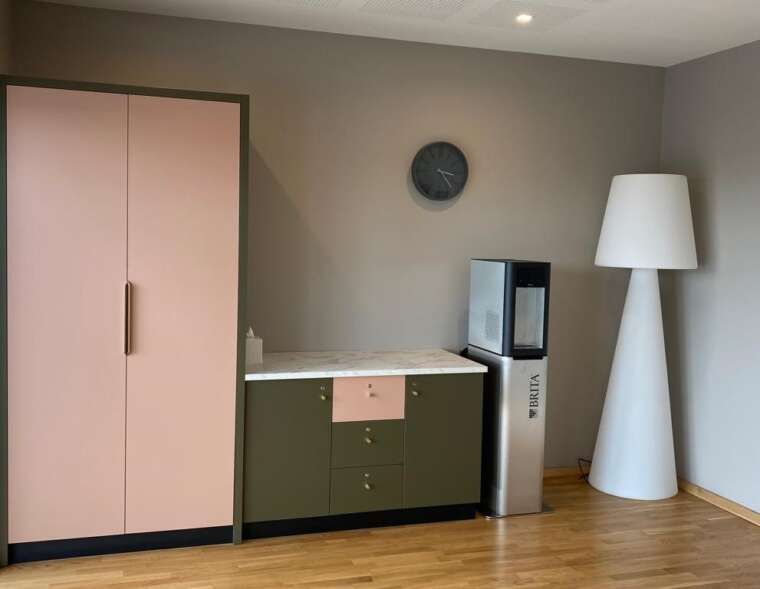
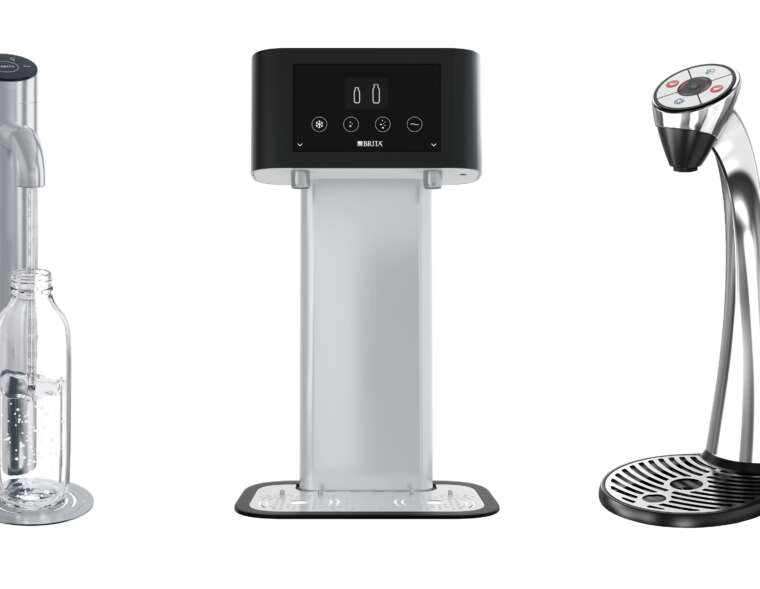
A mains-fed water cooler connects directly to your building’s mains water supply via a simple plumbing connection. Water passes through a multi-stage filtration system — removing chlorine, sediment, and dissolved impurities — before being chilled, heated, or carbonated on demand. In Saudi Arabia, where mains water is primarily desalinated and treated by the National Water Company (NWC), an advanced filtration stage significantly improves the taste and quality of the dispensed water.
There are no bottles to store, replace, or dispose of. The unit draws from a continuous mains supply throughout the working day. Modern units can typically be installed up to 13 metres from the nearest pipework connection, giving most commercial premises considerable flexibility in placement.
Bottled Water Coolers
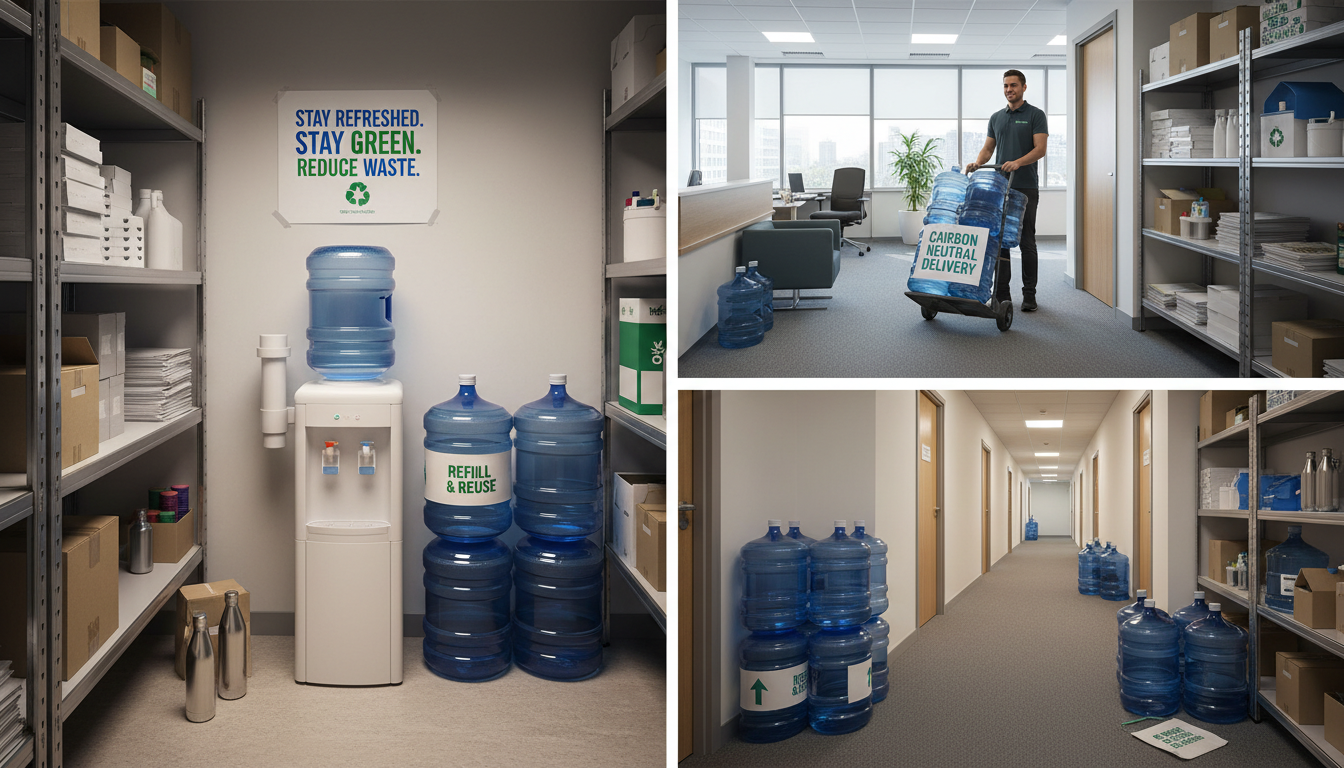
Bottled water coolers use large refillable bottles — usually 19 litres — that sit on or inside the unit. When a bottle is empty it must be physically replaced, and regular deliveries are needed to maintain supply. Popular bottled water brands such as Berain, Masafi, and Arwa are widely available across the Kingdom, but their cost and logistics add up quickly in high-consumption environments.
Bottled coolers require no plumbing connection, making them easy to place anywhere with a power socket. This flexibility remains their primary advantage, particularly for temporary sites, remote locations, or spaces where running pipework is not practical.
Cost Comparison: Total Cost of Ownership
The upfront cost of a mains-fed cooler is higher than a bottled unit, as installation requires connecting to the mains supply and fitting a filtration system. However, the ongoing running costs tell a very different story — and in the Saudi market, those running costs are magnified by high summer consumption, frequent bottle deliveries, and the logistics of managing supply chains across a large geography.
With a bottled cooler, businesses pay recurring charges for water purchases, bottle rental or replacement, delivery scheduling, and storage. For a medium-sized Riyadh or Jeddah office consuming 600 to 800 litres per week during peak summer months, those costs accumulate rapidly. Over a three-year period, total expenditure on a bottled system can exceed the cost of a mains-fed unit by a significant margin.
Mains-fed running costs are limited to the NWC mains tariff (a fraction of bottled water pricing), periodic filter replacements, and scheduled servicing. There are no delivery charges, no bottle deposits, and no minimum order requirements. The financial case for mains-fed is clear: higher initial investment, substantially lower total cost of ownership.
Most Saudi businesses recover the additional upfront cost of a mains-fed system within 12 to 18 months through reduced running costs — with ongoing savings thereafter, particularly through the high-consumption summer months.
Hygiene: Which System Is Cleaner?
In Saudi Arabia’s hot climate, hygiene standards for drinking water are especially important. High ambient temperatures accelerate bacterial growth, and water that is improperly stored or handled can become a health risk. This is an area where the two systems differ significantly.
Mains-fed coolers filter water at the point of use, passing it through activated carbon and sediment filters immediately before dispensing. Many modern units also incorporate UV disinfection, which eliminates up to 99% of bacteria without chemicals. The water travels a very short distance from the filter to the tap, minimising contamination risk.
Bottled coolers introduce multiple contamination risks. Every bottle change exposes the cooler’s receiving mechanism to the environment. Bottles are handled during filling, transportation, and warehouse storage — sometimes in high-temperature conditions — before reaching your office. If bottles are stored in direct sunlight or warm storage areas, bacterial growth can occur before the water is even dispensed. The cooler itself also requires regular sanitisation to prevent biofilm buildup in its internal reservoir.
For organisations with SFDA compliance requirements or those operating in food, healthcare, or hospitality environments, mains-fed systems offer a measurably more controlled and hygienic solution.
Environmental Impact and Vision 2030
Saudi Arabia’s Green Initiative — launched as part of Vision 2030 — commits the Kingdom to reducing carbon emissions, combating pollution, and improving environmental sustainability across all sectors. Businesses operating in the Kingdom are increasingly expected to align their practices with these goals, and workplace hydration is a straightforward place to start.
According to BRITA, mains-fed water dispensers reduce carbon footprint by 86% compared to bottled water dispensers. This figure accounts for the elimination of bottle manufacturing, transportation logistics, and plastic disposal — all of which are particularly costly in the Saudi context given the distances involved in distribution across the Kingdom.
“Mains-fed water dispensers reduce carbon footprint by 86% compared to bottled water dispensers, accounting for bottle manufacturing, transportation, and disposal.” — BRITA Professional
For businesses reporting on ESG performance or seeking to demonstrate alignment with Saudi Vision 2030 sustainability pillars, switching from bottled to mains-fed is one of the most immediate and measurable changes available. It eliminates plastic bottle waste entirely and removes delivery vehicle emissions from your Scope 3 footprint.
Convenience and Reliability
From an operational standpoint, mains-fed coolers require considerably less day-to-day management. There are no deliveries to schedule, no bottles to store, and no risk of running out of water between delivery cycles. During Ramadan, when consumption patterns shift and staffing levels change, this reliability is particularly valuable.
Bottled coolers require ongoing attention: someone must monitor stock levels, coordinate deliveries, receive and store bottles, and physically replace them when empty. The bottles themselves weigh approximately 19 kilograms when full, which raises practical manual handling considerations. In larger offices, managing a bottled water programme can represent a meaningful administrative burden.
The one area where bottled coolers maintain an advantage is placement flexibility. With no plumbing required, they can be positioned anywhere with a power socket — useful for construction sites, temporary offices, or remote facilities where connecting to a mains supply would be disproportionately expensive.
Which System Suits Your Business?
For permanent commercial premises in Saudi Arabia — corporate offices, healthcare facilities, hospitality venues, educational institutions, or industrial sites with consistent daily usage — mains-fed water coolers are the stronger choice across virtually every metric. They cost less over time, deliver better hygiene outcomes, align with Vision 2030 sustainability commitments, and require significantly less operational management.
Bottled coolers remain a practical option for temporary sites, low-usage locations, or premises where plumbing access is genuinely impractical. They also suit businesses requiring water provision at multiple dispersed locations where running pipework to every point would be cost-prohibitive.
Many organisations operate a mixed approach: mains-fed units in primary office and kitchen areas, with bottled coolers serving remote locations or temporary facilities. This combination captures the cost and hygiene benefits of mains-fed where consumption is highest, while maintaining flexibility elsewhere.
Making the Switch
If your organisation currently relies on bottled water coolers and is considering a move to mains-fed, the transition is simpler than most businesses expect. A professional site survey identifies the optimal placement for the unit relative to the nearest mains connection, and installation is typically completed in a single visit with minimal disruption to operations.
The right specification depends on your specific requirements: office size, headcount, peak usage periods — particularly during the summer months — and the temperature options your team needs (chilled, ambient, boiling, or sparkling). Working with a supplier who understands the KSA operating environment ensures you get a system that performs reliably year-round, including during peak demand.
Frequently Asked Questions
Is mains water in Saudi Arabia safe to drink through a filtered cooler?
Yes. NWC mains water meets regulatory safety standards, and a mains-fed cooler’s multi-stage filtration system removes residual chlorine, sediment, and other impurities that affect taste. Many units also include UV disinfection for additional protection. The result is clean, great-tasting water without the cost and logistics of bottled supply.
How much does a mains-fed water cooler cost compared to bottled in Saudi Arabia?
Upfront installation costs are higher for mains-fed units. However, ongoing running costs are substantially lower — no bottle deliveries, no bottle purchases, and no storage logistics. Most Saudi businesses recover the investment within 12 to 18 months, with ongoing savings thereafter.
Can a mains-fed cooler be installed in any commercial building in KSA?
In the majority of commercial premises, yes. Modern units can connect to a mains supply up to 13 metres away, and a professional site survey will confirm feasibility. Buildings with accessible plumbing infrastructure — which covers most permanent commercial premises — are generally straightforward to service.
How often does a mains-fed water cooler need servicing in Saudi Arabia?
Given the high mineral content typical of desalinated mains water in the Kingdom, filter replacement every four to six months is generally recommended. Regular professional servicing ensures hygiene standards are maintained and the system performs consistently throughout the year, including during peak summer consumption periods.
How does switching to mains-fed support Vision 2030 sustainability goals?
Switching eliminates plastic bottle waste, removes delivery vehicle emissions from your carbon footprint, and reduces water waste associated with bottle production. These are directly measurable contributions to the Saudi Green Initiative’s targets for carbon reduction and environmental sustainability.
Ready to Make the Switch?
Sovereign Water supplies and maintains mains-fed and bottled water cooler systems for commercial premises across Saudi Arabia. Our team can assess your current setup, recommend the right solution, and manage the full installation and ongoing maintenance.